Skip to content


Overview
Bamboo nappies are gaining popularity as eco-friendly alternatives to traditional diapers, but several misconceptions exist. They are not just a trend, lack absorbency, or are too expensive; in reality, they are durable, absorbent, and cost-effective over time. Quality varies by brand, and many are biodegradable and hypoallergenic. Modern bamboo nappies are user-friendly and come in various sizes and styles, suitable for both daytime and nighttime use. Understanding the facts can help parents make informed, environmentally conscious choices for their babies.
Table of Contents
- Bamboo Nappies Are Just a Passing Trend
- Bamboo Nappies Are Not Absorbent Enough
- Bamboo Nappies Are Too Expensive
- All Bamboo Nappies Are the Same
- Bamboo Nappies Are Not Biodegradable
- They Cause Diaper Rash
- Bamboo Nappies Are Complicated to Use
- All Bamboo Nappies Are the Same Size
- Bamboo Nappies Need Special Care
- Bamboo Nappies Don’t Offer Variety
- They’re Only for Daytime Use
- Using Bamboo Nappies Is Too Complicated
- The Environmental Impact of Bamboo Nappies
- Your Eco-Friendly Choice
Key Takeaways
- Bamboo nappies are sustainable: They are made from a fast-growing, renewable resource that requires less water and no pesticides compared to traditional cotton.
- High absorbency: Bamboo nappies have natural moisture-wicking abilities and can absorb more liquid than cotton, making them effective for keeping babies dry.
- Long-term savings: Although they may have a higher initial cost, bamboo nappies can save money over time compared to single-use disposables.
- Quality varies: Not all bamboo nappies are created equal; it's important to research brands for quality and certifications.
- Biodegradable options available: Many bamboo nappies are made with biodegradable materials, reducing environmental impact.
- Hypoallergenic properties: Bamboo nappies are gentle on sensitive skin and can help reduce the risk of diaper rash.
- User-friendly designs: Modern bamboo nappies are easy to use and come in various sizes and styles, making them accessible for all families.
In recent years, bamboo nappies have gained immense popularity among parents seeking eco-friendly, cruelty-free diapers for their little ones. However, as with any product, various misconceptions have arisen that may impact the perception of bamboo nappies. In this article, we’ll delve into the common misconceptions surrounding bamboo nappies and clarify the facts, helping you make informed choices for your baby's diapering needs.
Bamboo Nappies Are Just a Passing Trend
One of the most significant misconceptions is that bamboo nappies are merely a trend. In reality, the shift towards bamboo-based products is a response to increasing awareness about environmental sustainability and the harmful effects of traditional disposable diapers. Bamboo is a fast-growing, renewable resource that requires significantly less water and no pesticides, unlike conventional cotton. As more parents seek cruelty-free diapers that align with their eco-conscious values, bamboo nappies are likely to remain a staple in the market.
Bamboo Nappies Are Not Absorbent Enough
An all-too-common belief is that bamboo nappies lack absorbency compared to their plastic counterparts. This myth stems from a misunderstanding of bamboo’s natural properties. In fact, bamboo has natural moisture-wicking abilities and can absorb more liquid than cotton, making it an excellent choice for nappies. Many brands blend bamboo with other materials to enhance absorbency and ensure that your baby stays dry for longer, effectively countering this misconception.
Bamboo Nappies Are Too Expensive
While bamboo nappies can have a higher upfront cost, many parents fail to consider long-term savings associated with their use. Just like any other reusable nappy, bamboo nappies save money over time compared to single-use disposable nappies. Besides, the durability and quality of bamboo material mean that these nappies can often last through multiple children, further justifying the investment.
All Bamboo Nappies Are the Same
Another prevalent myth is that all bamboo nappies offer the same quality and performance. This misunderstanding can lead to disappointment when parents select a brand based solely on price or appearance. In reality, the quality of bamboo nappies can vary significantly based on manufacturing processes and materials used. It’s essential to research and select brands known for their commitment to high-quality, cruelty-free diapers. Check the product's certifications, customer reviews, and material sourcing to ensure you’re making a wise choice.
Bamboo Nappies Are Not Biodegradable
Some parents worry that bamboo nappies are no more environmentally friendly than traditional disposables. While it is true that not all bamboo nappies are completely biodegradable, many brands are working on using sustainable materials and packaging. Bamboo itself is naturally biodegradable, and when combined with other organic materials, it can break down in composting environments. Choosing eco-friendly bamboo nappies that specify biodegradability helps to alleviate concerns about waste.
They Cause Diaper Rash
It's a common myth that bamboo nappies contribute to diaper rash. In truth, bamboo is hypoallergenic and has natural antibacterial properties, making it a favorable choice for sensitive baby skin. Traditional disposable diapers, often made from synthetic materials, can trap moisture and irritate the skin. Bamboo nappies, when properly fitted and changed regularly, can actually help reduce the risk of diaper rash due to their moisture-wicking abilities and breathability.
Bamboo Nappies Are Complicated to Use
The notion that bamboo nappies are complex to use is widespread, but this misconception could not be further from the truth. Although some parents may hesitate at first, modern bamboo nappies are designed with usability in mind. With easy-to-use snap buttons, pockets for inserts, and various sizing options, bamboo nappies can be as straightforward as traditional disposables. Moreover, many parents find the reusable aspect enjoyable and rewarding, contributing positively to their daily routines.

All Bamboo Nappies Are the Same Size
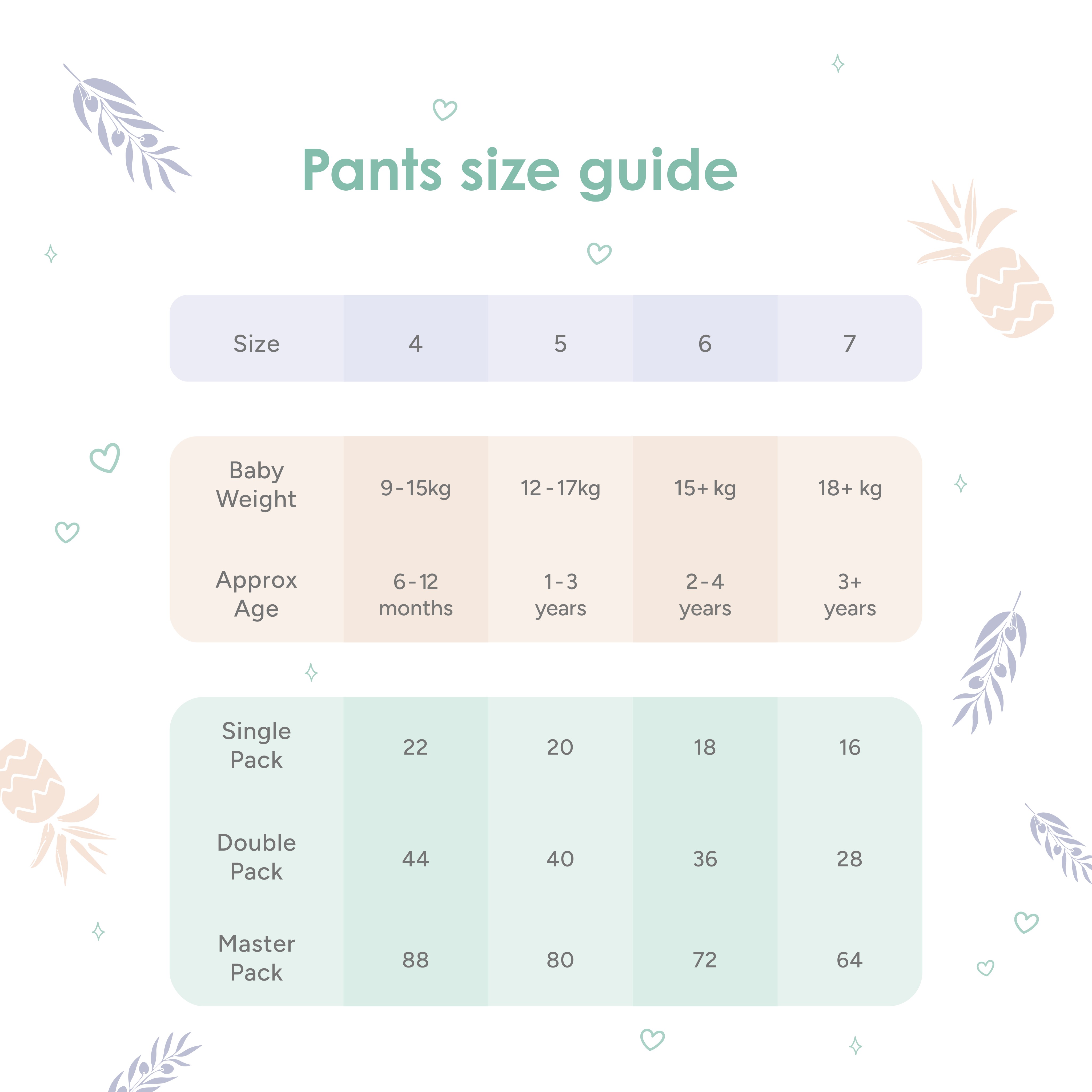
Assuming that all bamboo nappies come in one uniform size can lead to poor fit and performance. Many brands offer various sizing options, ranging from newborn to toddler sizes. Some even provide adjustable designs that can grow with your baby, ensuring the best possible fit at any stage. Always check sizing charts provided by the manufacturer to equip your little one with a perfect fit that accommodates their growth.
Bamboo Nappies Need Special Care
Another myth is that bamboo nappies require intricate washing routines. While it is true that they need some form of care, they typically do not differ significantly from traditional cloth diapers. Most bamboo nappies are machine washable and can be dried in a dryer. To maintain their absorbency and lifespan, it’s advised to follow the manufacturer’s care instructions, which often include avoiding fabric softeners and washing with similar materials. A little extra care goes a long way in ensuring that you’re using the best cruelty-free diapers for your baby.
Bamboo Nappies Don’t Offer Variety
Some parents might believe that bamboo nappies limit style choices, opting instead for traditional disposable diapers that come in numerous prints and styles. On the contrary, many bamboo nappy brands are producing vibrant, fun designs that appeal to a wide range of tastes. Eco-conscious parents can find an array of colors and patterns, ensuring that they don’t have to sacrifice style for sustainability.
They’re Only for Daytime Use
Parents frequently assume that bamboo nappies are suitable only for daytime use, leaving them to rely on disposables for overnight protection. However, bamboo nappies can provide an effective solution for overnight use when paired with appropriate inserts designed for extended wear. Many brands offer heavy-duty bamboo inserts that enhance absorbency without bulk, making them a viable option for your little one during nighttime. Just remember to adjust the fit to ensure maximum comfort and leak protection.
Using Bamboo Nappies Is Too Complicated
This misconception holds many parents back from embracing bamboo nappies. Some may feel overwhelmed by the idea of switching to a reusable system. However, the simplicity of modern bamboo nappies is designed to ease that transition. Many brands emphasize user-friendly designs, making them accessible for all families, regardless of their previous experience with cloth diapering. With a bit of guidance, you might find that bamboo nappies are not only straightforward but also an appealing, eco-friendly option.
The Environmental Impact of Bamboo Nappies
Finally, many parents may struggle with the assumed environmental impacts of bamboo nappies. While the bamboo plant is incredibly sustainable, some are concerned about the processing methods. However, reputable brands strive to use sustainable manufacturing processes that have minimal impact on the environment. Furthermore, using bamboo nappies is part of a larger movement toward reducing waste and utilizing renewable resources. One small choice at a time helps to pave the way for positive environmental change.
Your Eco-Friendly Choice
As you explore the world of bamboo nappies, it’s essential to separate fact from fiction. Armed with the right information about bamboo nappies, you can confidently embrace this sustainable and eco-friendly option for your baby. Ultimately, choosing cruelty-free diapers like bamboo nappies can not only provide your little one with comfort but also help you make a positive impact on the planet.
By debunking these common misconceptions, we hope to empower you as you make informed decisions for your family’s needs. Choose wisely, and embrace the eco-friendly revolution for a healthier tomorrow!
Frequently Asked Questions
1. What are bamboo nappies?
2. Are bamboo nappies just a trend?
3. Do bamboo nappies cause diaper rash?
4. Do all bamboo nappies offer the same quality?
5. Are bamboo nappies complicated to use?
Glossary
| Term | Meaning |
|---|---|
| Bamboo Nappies | Diapers made from bamboo fibers, known for being eco-friendly and absorbent. |
| Absorbency | The ability of a material to soak up moisture effectively. |
| Biodegradable | Materials that can break down naturally in the environment. |
| Cruelty-Free | Products made without harming animals or using animal testing. |
| Moisture-Wicking | Property that draws moisture away from the skin to keep it dry. |
| Reusable Nappy | A diaper that can be washed and used multiple times instead of being disposed of. |
| Eco-Conscious | A mindset focused on making environmentally friendly choices. |
| Insert | A removable layer added to a nappy for extra absorbency. |
| Sizing Options | Different sizes available to fit babies of various ages and weights. |
| Manufacturing Processes | Methods used to produce bamboo nappies, affecting quality and sustainability. |
Linked Product

Organic Bamboo Diapers
PureBorn Organic Bamboo Diapers offer a gentle and hypoallergenic solution for babies with sensitive skin, thanks to their 100% certified organic bamboo core and dermatological testing. These super-absorbent diapers provide up to 12 hours of dry protection, ensuring comfort for your little one throughout the day and night. With a commitment to sustainability, they are vegan, cruelty-free, and free from harmful chemicals, making them a safe choice for both your baby and the environment.
View Product