Skip to content


Overview
Many families are choosing organic bamboo diapers as a sustainable alternative to traditional disposables. This blog covers their benefits, care instructions, safety for babies, absorbency, and environmental impact. Bamboo nappies are soft, breathable, and antibacterial, making them ideal for sensitive skin. While they require some maintenance, they can lead to long-term savings and a reduced carbon footprint. Switching to bamboo diapers is a positive choice for both your child and the planet.
Table of Contents
- What Are Bamboo Nappies?
- Why Choose Organic Bamboo Diapers?
- Are Bamboo Nappies Safe for Babies?
- How Do You Care for Bamboo Nappies?
- Washing Instructions
- Drying Instructions
- How Absorbent Are Bamboo Nappies?
- Do Bamboo Nappies Require a Lot of Maintenance?
- Do You Need a Diaper Cover with Bamboo Nappies?
- Can You Use Bamboo Nappies from Birth?
- Can You Use Bamboo Nappies Overnight?
- What Are the Environmental Benefits of Using Bamboo Nappies?
- Are Bamboo Nappies More Expensive Than Disposable Diapers?
- What Is the Best Way to Store Bamboo Nappies?
- Storing Dirty Nappies
- Storing Clean Nappies
- How Do Bamboo Nappies Compare to Other Cloth Diapers?
- Fun Fact About Bamboo's Natural Benefits!
- Ready to Take the Plunge?
Key Takeaways
- Sustainability: Bamboo is a fast-growing plant that requires fewer resources than cotton, making it an eco-friendly choice.
- Softness: Bamboo fibers offer exceptional softness, ensuring comfort for sensitive baby skin.
- Antibacterial Properties: Bamboo's natural qualities help inhibit bacterial growth, reducing the risk of diaper rashes.
- High Absorbency: Bamboo nappies can hold more moisture than cotton, making them ideal for heavy wetters and overnight use.
- Cost-Effective: Although the upfront cost may be higher, bamboo diapers can lead to significant savings over time due to their reusability.
- Safe for Babies: Organic bamboo diapers are free from harmful pesticides and chemicals, ensuring safety for your child.
- Proper Care: Following specific washing and drying instructions can extend the lifespan and maintain the quality of bamboo nappies.
With the rise of eco-conscious parenting, many families are opting for organic bamboo diapers as a sustainable alternative to traditional disposable diapers. This blog post will answer the most frequently asked questions about bamboo nappies, providing you with the information you need to make an informed choice for your little one. From their benefits to care instructions, we’ve got you covered!
What Are Bamboo Nappies?
Bamboo nappies are cloth diapers made from the fibers of the bamboo plant. The organic bamboo used in these diapers is processed in a way that retains its antibacterial and hypoallergenic properties, making it an excellent option for sensitive baby skin. Unlike conventional diapers, organic bamboo diapers are breathable and gentle, helping to reduce the risk of rashes and irritation.
Why Choose Organic Bamboo Diapers?
There are several compelling reasons to choose organic bamboo diapers over traditional options:
- Sustainability: Bamboo is a fast-growing plant that requires fewer resources to cultivate compared to cotton.
- Softness and Comfort: Bamboo fibers are incredibly soft, making these nappies gentle against your baby's skin.
- Antibacterial Properties: The natural properties of bamboo help inhibit the growth of bacteria.
- Breathability: Bamboo fabric is designed to wick moisture away from the skin, keeping your baby dry and comfortable.
- Eco-Friendly: Using organic bamboo diapers reduces landfill waste and the carbon footprint associated with disposable diapers.
Are Bamboo Nappies Safe for Babies?
Absolutely! Bamboo nappies are considered safe for babies, especially when they are made from organic bamboo. Organic farming practices ensure that no harmful pesticides or chemicals are used in the cultivation of the bamboo, making it a safer choice for your little one. Additionally, the antibacterial properties of bamboo can help prevent diaper rashes, providing added peace of mind for parents.
How Do You Care for Bamboo Nappies?
Proper care for your organic bamboo diapers will help maintain their quality and longevity. Here are some tips for washing and drying your bamboo nappies:
Washing Instructions
- Pre-wash your nappies to remove any solid waste before placing them in the washing machine.
- Use a gentle, eco-friendly detergent to protect the fabric and the environment.
- Wash the diapers on a warm cycle, but avoid hot water as it may damage the fibers.
- Avoid using fabric softeners or bleach; they can reduce absorbency and damage the fabric.
- For optimal results, double rinse your nappies to ensure all detergents are washed away.
Drying Instructions
You can dry bamboo nappies in two primary ways:
- Air Drying: Hanging your nappies to air dry is the best option, as it preserves their integrity and lifespan.
- Tumble Drying: If you opt for a tumble dryer, choose a low-heat setting to prevent damage to the fibers.
How Absorbent Are Bamboo Nappies?
One of the standout features of organic bamboo diapers is their excellent absorbency. Bamboo fibers can hold more moisture than cotton, making them a reliable choice for heavy wetters or overnight use. Additionally, bamboo has the ability to wick moisture away from the skin, keeping your baby dry for longer periods.
Do Bamboo Nappies Require a Lot of Maintenance?
While bamboo nappies do require some maintenance, they are not overly complicated or time-consuming. A little extra effort in care goes a long way in preserving their quality. Regular washing and proper storage are essential to maintaining freshness and usability. With the right care, organic bamboo diapers can last through multiple children.

Do You Need a Diaper Cover with Bamboo Nappies?
Bamboo nappies, especially the ones made with absorbent layers, often require a waterproof diaper cover to prevent leaks. These covers can be made of various materials, including PUL (polyurethane laminate) or wool. Investing in a good-quality cover will keep your baby dry and comfortable while minimizing the chances of leaks. Make sure to choose covers that fit well and provide enough elasticity around the legs and waist.
Can You Use Bamboo Nappies from Birth?
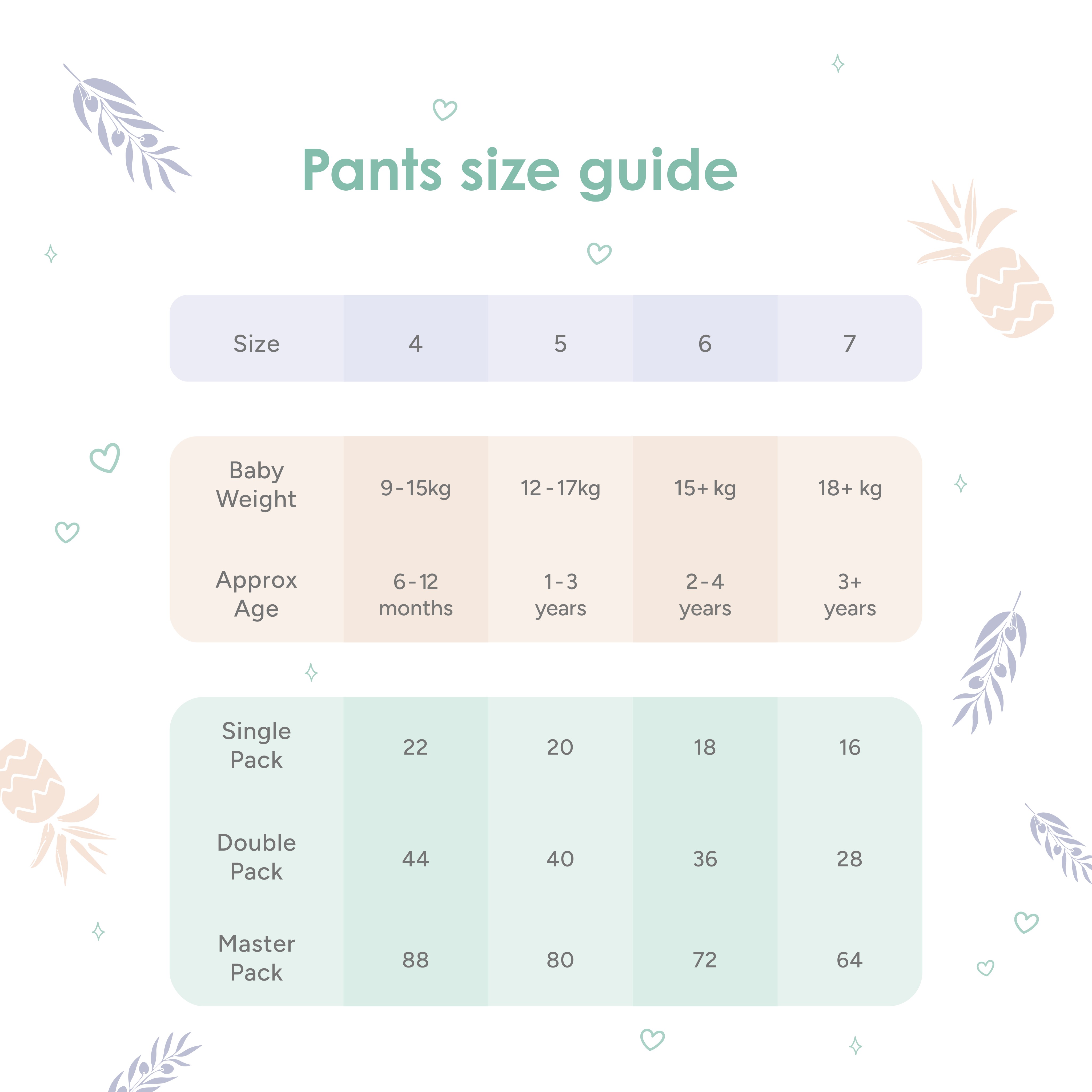
Yes, you can use organic bamboo diapers from birth, but be sure to choose a size that fits your newborn appropriately. Many brands offer newborn-sized options, specially designed for smaller babies. Pay attention to the weight range specified on the packaging to find the perfect fit for your little one.
Can You Use Bamboo Nappies Overnight?
Many parents find that organic bamboo diapers are suitable for overnight use due to their high absorbency. However, for maximum effectiveness, consider using additional boosters or inserts to enhance absorbency overnight. This will provide peace of mind, allowing you and your baby to enjoy uninterrupted sleep.
What Are the Environmental Benefits of Using Bamboo Nappies?
The environmental impact of disposable diapers is surprisingly significant, contributing millions of tons of waste to landfills each year. By choosing organic bamboo diapers, you are making a conscious decision to reduce your carbon footprint. Bamboo’s rapid growth means that it can be harvested sustainably, and the biodegradability of cloth diapers means that they won’t contribute to long-lasting waste. In doing so, you're contributing to a healthier planet for future generations.
Are Bamboo Nappies More Expensive Than Disposable Diapers?
While the initial investment in organic bamboo diapers may seem higher than purchasing disposable diapers, the long-term savings can be substantial. Cloth diapers can be reused for multiple children and have a much longer lifespan than disposables. In the grand scheme of things, using bamboo nappies can lead to significant cost savings for your family.
What Is the Best Way to Store Bamboo Nappies?
Proper storage of your organic bamboo diapers can help maintain cleanliness and hygiene. Consider the following tips for storing dirty and clean nappies:
Storing Dirty Nappies
- Use a wet bag or a designated diaper pail to store used nappies until they are ready to be washed.
- Keep the storage area well-ventilated to minimize odors.
- Avoid packing them too tightly to allow airflow and prevent mildew.
Storing Clean Nappies
- Fold and store clean nappies in a dry, clean location.
- Use storage bins or baskets for easy access during diaper changes.
How Do Bamboo Nappies Compare to Other Cloth Diapers?
When comparing organic bamboo diapers to other cloth diaper options, such as cotton or hemp, bamboo holds certain advantages. Bamboo's natural absorbency, softness, and breathability set it apart, making it particularly appealing for babies with sensitive skin. While cotton is also absorbent, bamboo typically wins in softness and environmental sustainability.
Fun Fact About Bamboo's Natural Benefits!
Did you know that bamboo can grow up to three feet in a single day? This rapid growth rate is one of the reasons why bamboo is considered a sustainable material for a variety of products, including organic bamboo diapers. When you choose bamboo over conventional materials, you’re not just making a decision for your child; you’re also making a positive impact on the environment.
Ready to Take the Plunge?
By choosing organic bamboo diapers, you are opting for a sustainable, eco-friendly, and gentle option for your baby's delicate skin. Remember, it may seem like an adjustment at first, but the benefits of bamboo nappies are well worth it. Not only will you be caring for your child, but you'll be making a positive contribution to the planet and future generations. With all the advantages of bamboo diapers, it's time to embrace a greener, healthier choice for your family!
Frequently Asked Questions
1. What are bamboo nappies?
2. Why should I choose organic bamboo diapers?
3. Are bamboo nappies safe for babies?
4. How do I care for bamboo nappies?
5. Can I use bamboo nappies overnight?
Glossary
| Term | Meaning |
|---|---|
| Bamboo Nappies | Cloth diapers made from bamboo fibers, known for softness and absorbency. |
| Organic Bamboo | Bamboo grown without harmful pesticides or chemicals, safe for babies. |
| Antibacterial Properties | Natural ability of bamboo to inhibit bacterial growth, reducing diaper rashes. |
| Breathability | Quality of fabric that allows air circulation, keeping baby dry and comfortable. |
| Eco-Friendly | Products that have minimal impact on the environment, reducing waste. |
| Diaper Cover | A waterproof layer worn over bamboo nappies to prevent leaks. |
| Absorbency | Capacity of a material to hold moisture, crucial for effective diapering. |
| Air Drying | Method of drying nappies by hanging them, preserving their quality. |
| Tumble Drying | Using a dryer on low heat to dry nappies, less ideal than air drying. |
| Wet Bag | A waterproof bag used for storing dirty diapers until washing. |
Linked Product

Organic Bamboo Diapers
PureBorn Organic Bamboo Diapers are designed with both baby comfort and environmental responsibility in mind. Featuring a 100% certified organic bamboo core, these diapers are hypoallergenic and dermatologically tested, making them suitable for babies with sensitive skin. With super-absorbent capabilities, they provide up to 12 hours of dry protection, ensuring comfort throughout the day and night.
View Product