Skip to content


Overview
New parents can reduce their baby's carbon footprint by making eco-friendly choices, such as using organic bamboo or cloth diapers, opting for sustainable clothing, preparing homemade baby food, and adopting the 3 Rs: reduce, reuse, recycle. Encourage eco-conscious habits in children and lead by example to promote a sustainable future. Small actions can collectively make a significant impact on the environment.
Table of Contents
- Start with Eco-Friendly Diapers
- Opt for Cloth Diapers
- Choose Sustainable Clothing
- Why Choose Organic Fabrics?
- Be Mindful of Baby Food Choices
- Reduce, Reuse, and Recycle
- Reduce
- Reuse
- Recycle
- Utilize Eco-Friendly Baby Care Products
- Efficient Use of Resources
- Encourage Eco-Conscious Habits
- Open Conversations
- Make Eco-Friendly Choices Fun
- Leading by Example
- Making Transportation Greener
- A Conscious Consumer Mindset
- Wrapping Up the Eco-Adventure
Key Takeaways
- Switch to Eco-Friendly Diapers: Use Organic Bamboo Diapers to reduce landfill waste and environmental impact.
- Consider Cloth Diapers: Opt for reusable cloth diapers to lower waste and save money over time.
- Choose Sustainable Clothing: Select organic fabrics that are non-toxic and have lower carbon emissions.
- Make Mindful Baby Food Choices: Prepare homemade baby food using organic, locally sourced ingredients to minimize waste.
- Practice the 3 Rs: Reduce unnecessary purchases, reuse hand-me-downs, and recycle baby-related products properly.
- Utilize Eco-Friendly Baby Care Products: Look for certified organic, biodegradable, and cruelty-free options.
- Encourage Eco-Conscious Habits: Lead by example and engage your child in eco-friendly activities to instill environmental values.
As new parents, it's natural to want the best for your baby. This includes nurturing not just their health and happiness but also ensuring that they inherit a sustainable planet to grow up in. Every small action can contribute to a healthier environment, and today we delve into effective tips for reducing your baby’s carbon footprint. From considering the products you use, to making conscious lifestyle choices, these actionable steps can make a significant difference.
Start with Eco-Friendly Diapers
When it comes to baby care, one of the largest contributors to your baby's carbon footprint is disposable diapers. Traditional disposable diapers contribute to a massive amount of landfill waste. However, by switching to Organic Bamboo Diapers, you can reduce this impact significantly. Bamboo grows rapidly and requires no pesticides, making it an eco-friendly choice. Here’s why you should consider making the switch:
- Biodegradable: Organic bamboo diapers can decompose naturally, unlike traditional diapers that can take hundreds of years to break down.
- Less Energy-Intensive: Bamboo growing practices require less energy than cotton, reducing the overall carbon footprint.
- Hypoallergenic: They are gentler on your baby's sensitive skin, lowering the chances of irritation.
Opt for Cloth Diapers
If you’re looking for more ways to lower your baby's carbon footprint, consider adopting cloth diapers. While Organic Bamboo Diapers are an excellent choice, traditional cloth diapers reap similar benefits. Here’s why cloth is making a comeback:
- Reusability: Cloth diapers can be washed and reused for multiple babies.
- Lower Environmental Impact: Reduces waste significantly compared to disposables.
- Cost-Effective: Although the initial cost may seem high, cloth diapers can save money over time.
Choose Sustainable Clothing
The clothing your baby wears also contributes to their carbon footprint. Synthetic fabrics often require more energy to produce and may contain harmful chemicals. Instead, opt for sustainable clothing made from organic and natural fibers. Here are a few considerations:
Why Choose Organic Fabrics?
- Non-Toxic: Organic materials are free from harmful pesticides and chemicals.
- Lower Carbon Emissions: Organic farming tends to consume less energy.
- Comfort: Natural fabrics are typically softer and more breathable for your baby’s delicate skin.
Be Mindful of Baby Food Choices
Feeding your baby sustainably can also ensure they maintain a lower carbon footprint. Opt for organic fruits and vegetables grown locally where possible. Here are some tips for eco-friendly baby food:
- Homemade Choices: Prepare baby food at home using organic ingredients. This reduces packaging waste and transportation emissions.
- Buy in Bulk: Purchasing organic food items in bulk can also minimize packaging waste.
- Plant-Based Options: Introducing plant-based foods can be better for the environment and provide your baby with essential nutrients.
Reduce, Reuse, and Recycle
Practicing the 3 Rs is a fantastic way to instill an appreciation of the environment in your child from an early age. Here’s how you can implement it:
Reduce
Evaluate your purchases and try to cut down on unnecessary items. Choose quality over quantity, opting for products that offer longevity and better environmental practices.
Reuse
Take advantage of hand-me-downs from friends or family. Not only does this save money, but it also reduces waste and consumption.
Recycle
Make sure to recycle diapers, food products, and other baby-related goods properly. Look into local recycling programs that accept these items.

Utilize Eco-Friendly Baby Care Products
When selecting baby care products, sensitivity to the environment plays a critical role. Many products from lotions to shampoos can contain harsh chemicals that are not only harmful to your baby's skin but also to the environment. Here are some things to look for:
- Organic Certifications: Always look for products that are certified organic to ensure they are free from harmful substances.
- Biodegradable Packaging: Opt for brands that prioritize eco-friendly packaging options.
- Cruelty-Free: Choose brands that do not test on animals.
Efficient Use of Resources
Efficient resource use is a great way to reduce your family’s carbon footprint. While you may not realize it, simple lifestyle changes can have a significant impact:
- Energy-Efficient Appliances: Invest in energy-efficient appliances for your home.
- Water Conservation: Be mindful of your water use; even small changes in your daily routine can lead to significant savings.
- Opt for Green Energy: If feasible, consider switching to renewable energy sources.
Encourage Eco-Conscious Habits
As your baby grows and begins to understand the world around them, it’s essential to start instilling eco-conscious habits early. Here are some ways you can accomplish this:
Open Conversations
Start conversations with your toddler about nature and the importance of taking care of the Earth. Use age-appropriate language and concepts to convey these ideas effectively.
Make Eco-Friendly Choices Fun
Engage your child in eco-friendly activities like planting trees or flowers together, recycling crafts, or nature walks. These activities will reinforce the importance of environmental stewardship.
Leading by Example
Children learn a lot through imitation. Ensure that your actions reflect your values. Being proactive about reducing your carbon footprint—whether it’s through recycling, composting, or using Organic Bamboo Diapers—will encourage them to adopt similar habits.
Making Transportation Greener
Traveling with your baby can often lead to an increased carbon footprint. Assessing how you commute can lead to more sustainable choices:
- Carpool: Sharing rides with friends or family can lower emissions.
- Public Transit: Utilize public transportation when possible as a greener alternative.
- Biking or Walking: If feasible, consider biking or walking for short trips.
A Conscious Consumer Mindset
There’s a saying that “you vote with your dollar.” Every purchase you make supports brands that align with your values. When shopping, ask yourself if a product is sustainable and if it will benefit your baby without harming the planet.
Wrapping Up the Eco-Adventure
The quest to reduce your baby's carbon footprint is a rewarding journey that goes beyond simple lifestyle changes. By implementing these tips, you not only create a healthier home for your child but also foster a sustainable future for generations to come. Start small, focus on one change at a time, and soon you'll find that leading an eco-friendly lifestyle becomes second nature. Remember, every action counts, and together, we can ensure a greener planet for our little ones.
Frequently Asked Questions
1. What are eco-friendly diapers?
2. Why should I consider using cloth diapers?
3. How can I choose sustainable clothing for my baby?
4. What are some tips for reducing my baby's carbon footprint with food choices?
5. How can I encourage eco-conscious habits in my child?
Glossary
| Term | Meaning |
|---|---|
| Carbon Footprint | The total greenhouse gas emissions caused directly or indirectly by an individual or activity. |
| Organic Bamboo Diapers | Diapers made from bamboo that are biodegradable and environmentally friendly. |
| Cloth Diapers | Reusable diapers made from fabric, reducing waste compared to disposables. |
| Sustainable Clothing | Apparel made from materials that are environmentally friendly and ethically produced. |
| Eco-Friendly Baby Care Products | Products that are safe for the environment and free from harmful chemicals. |
| 3 Rs | Reduce, Reuse, Recycle - principles for minimizing waste and conserving resources. |
| Biodegradable | Materials that can decompose naturally without harming the environment. |
| Green Energy | Energy sourced from renewable resources that have a lower environmental impact. |
| Plant-Based Options | Foods derived from plants that are often better for the environment. |
| Conscious Consumer | A buyer who considers the environmental and ethical impact of their purchases. |
Linked Product

Organic Bamboo Diapers
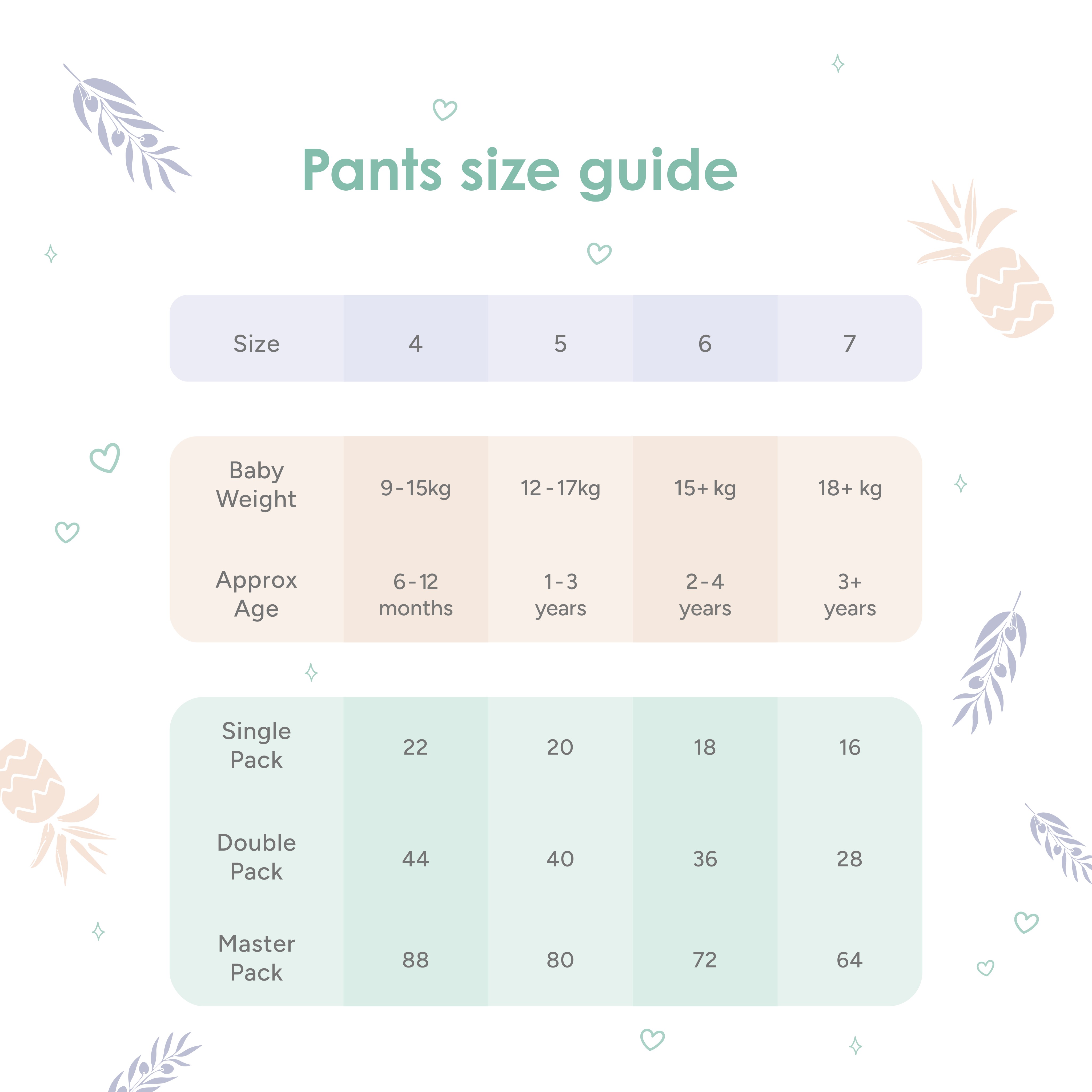
PureBorn Organic Bamboo Diapers are designed with both baby’s comfort and environmental sustainability in mind. Made from 100% certified organic bamboo, these diapers are hypoallergenic and dermatologically tested, making them suitable for sensitive skin. They offer super-absorbent protection for up to 12 hours, ensuring your baby stays dry and comfortable.
View Product