تجاوز إلى المحتوى


Overview
Sustainable parenting is crucial for nurturing eco-conscious children. By making informed choices like using organic products, opting for eco-friendly clothing, and planning meals with local ingredients, families can reduce their environmental impact. Engaging children in fun sustainability activities and participating in community initiatives fosters responsibility and awareness. Balance is key; focus on small, achievable goals and celebrate progress in creating a healthier future for all.
Table of Contents
- The Importance of Sustainable Parenting
- Starting with Organic Products
- Why Choose Organic Diapers?
- Conscious Clothing Choices
- Tips for Sustainable Children’s Fashion
- The Power of Meal Planning
- Building an Eco-Friendly Kitchen
- Green Parenting on the Go
- Tips for On-the-Go Sustainability
- Engaging Your Children in Sustainability
- Fun Ways to Teach Kids about Sustainability
- Making a Positive Impact through Community
- Ways to Get Involved
- Creating a Balanced Family Life
- Finding Balance in Sustainable Parenting
- Empowering Future Generations
Key Takeaways
- Sustainable parenting promotes environmental health by integrating eco-friendly practices into daily routines to reduce waste and conserve resources.
- Opt for organic products, such as organic diapers, to minimize exposure to harmful chemicals and support your child's health.
- Choose sustainable clothing by selecting organic fabrics and thrift shopping to reduce waste and encourage a circular economy.
- Meal planning is crucial for sustainability; prioritize local, seasonal, and plant-based foods to lower your family's carbon footprint.
- Engage children in sustainability through fun activities like gardening and recycling games to instill a sense of environmental responsibility.
- Participate in community initiatives to amplify your sustainability efforts and foster a shared commitment to environmental responsibility.
- Strive for balance in sustainable parenting by setting realistic goals and celebrating small victories to reduce stress and maintain family harmony.
In today's world, sustainable parenting has become an essential topic for any environmentally-conscious family. As parents, we are responsible for nurturing our children and instilling values that align with a healthier planet. By making sustainable choices, like opting for organic diapers for sensitive skin, we can positively impact our children's future. In this guide, we explore practical strategies for raising eco-friendly kids while ensuring their needs are met.
The Importance of Sustainable Parenting
Sustainable parenting is all about making decisions that promote environmental health and social responsibility. By incorporating eco-friendly practices into our daily routines, we can reduce waste, conserve resources, and create a safer environment for our children. From education to product choices, sustainable parenting encompasses everything we do as caregivers. Here are a few critical reasons why it matters:
- Healthier families: Sustainable practices often prioritize natural and organic products, which benefit our children's health by reducing exposure to harmful chemicals.
- Environmental impact: Making conscious choices reduces our carbon footprint while conserving resources for future generations.
- Seeing the bigger picture: Teaching children about sustainability fosters awareness and responsibility, nurturing future eco-conscious adults.
Starting with Organic Products
One of the first steps in embracing sustainable parenting is opting for organic products, particularly those that come into direct contact with your child's skin. Organic diapers for sensitive skin are an excellent choice, as they are free from artificial dyes, fragrances, and chemicals that can irritate delicate skin.
Why Choose Organic Diapers?
Choosing organic diapers has numerous benefits. Here are just a few:
- Non-toxic materials: Organic diapers are typically made from natural materials, reducing the risk of rashes and allergies.
- Biod degradability: Unlike conventional disposable diapers, organic options are often more biodegradable, thus minimizing landfill waste.
- Eco-friendly production: The manufacturing process for organic diapers often adheres to environmentally sustainable practices, lessening the overall impact on our planet.
Conscious Clothing Choices
Another critical aspect of sustainable parenting is being mindful of your child's clothing. Choosing organic fabrics, such as organic cotton, bamboo, and linen, can significantly impact the environment and your child’s health. Clothing made from non-toxic materials is softer on sensitive skin and often doesn't contain harmful chemicals.
Tips for Sustainable Children’s Fashion
- Buy second-hand: Thrift shopping reduces waste and encourages a circular economy, giving pre-loved items a new life.
- Invest in high-quality pieces: Choose durable items that can withstand wear and tear and be handed down to younger siblings or friends.
- Prioritize versatility: Look for clothing that serves multiple purposes or can be mixed and matched, extending the life of each item.
The Power of Meal Planning
Food choices play a significant role in sustainable parenting. By planning meals that incorporate local, seasonal, and organic produce, you contribute to a healthier lifestyle for your family and the environment.

Building an Eco-Friendly Kitchen
Here are some strategies to create a more sustainable kitchen:
- Choose plant-based meals: Incorporating more fruits, vegetables, nuts, and grains into meals can reduce the carbon footprint associated with animal agriculture.
- Reduce food waste: Get creative with leftovers and plan meals based on ingredients you already have at home.
- Support local farmers: Purchase produce from local farmers' markets or community-supported agriculture (CSA) programs to minimize transportation emissions.
Green Parenting on the Go
When you're out and about, maintaining a sustainable mindset is still critical. From snacks to gear, every choice contributes to your family's eco-footprint.
Tips for On-the-Go Sustainability
- Reusable containers: Invest in durable, reusable containers for snacks and meals to cut down on single-use plastics.
- Eco-friendly baby gear: Look for lightweight, sustainable options for strollers, carriers, and other essentials.
- DIY snacks: Prepare homemade snacks to avoid pre-packaged items that generate waste and often contain unhealthy ingredients.
Engaging Your Children in Sustainability
To nurture responsible citizens, it’s essential to involve children in sustainable practices from a young age. Getting them excited about caring for the environment can be both educational and fun!
Fun Ways to Teach Kids about Sustainability
- Gardening: Teach your kids the joys of gardening, from planting seeds to harvesting vegetables, instilling a love for nature.
- Recycling games: Make recycling fun by turning it into a game, teaching them how to sort materials properly.
- Nature walks: Spend time outdoors, exploring and appreciating nature while discussing the importance of protecting it.
Making a Positive Impact through Community
As a sustainable parent, consider joining community initiatives that focus on environmental responsibility. Working with others amplifies your efforts and fosters a sense of shared purpose. Join local environmental clubs or organize family-friendly activities promoting sustainability.
Ways to Get Involved
- Participate in clean-up days: Join community clean-up efforts to help keep parks and beaches litter-free.
- Start a recycling program: Work with your local school or community center to establish a recycling initiative.
- Advocate for eco-friendly policies: Engage with local leaders to promote sustainable practices in your community.
Creating a Balanced Family Life
While it's essential to make sustainable choices, it's equally important to maintain a balanced family life. Striving for perfection can lead to stress, so remember to celebrate small victories. Prioritize self-care and establish a supportive environment for your family.
Finding Balance in Sustainable Parenting
- Set realistic goals: Focus on taking small steps instead of overwhelming yourself with everything at once.
- Allow for flexibility: Life happens, and it's okay to deviate from routine occasionally; every little effort counts!
- Involve your partner: Collaborate as a team to share tasks and celebrate each other's eco-friendly efforts.
Empowering Future Generations
Ultimately, sustainable parenting is a lifelong commitment to raising responsible, compassionate children. By teaching them about sustainability today, you're empowering them to become advocates for a healthier future tomorrow. Whether it's through swapping out regular diapers with organic diapers for sensitive skin or planting a tree together, each choice you make is a step towards making the world a better place for your family and generations to come.
As you navigate parenthood, remember that small, intentional actions teach children valuable lessons about care for themselves, their communities, and the environment. Keep striving for progress over perfection, and you’ll inspire a future of mindful, eco-friendly choices that help cultivate a greener planet.
Frequently Asked Questions
1. What is sustainable parenting?
2. Why should I use organic diapers for my child?
3. How can I teach my children about sustainability?
4. What are some tips for sustainable meal planning?
5. How can I balance sustainability with family life?
Glossary
| Term | Meaning |
|---|---|
| Sustainable Parenting | Making eco-friendly choices that promote environmental health and social responsibility. |
| Organic Diapers | Diapers made from natural materials, free from harmful chemicals. |
| Biodegradability | The ability of a product to decompose naturally, reducing landfill waste. |
| Eco-Friendly Practices | Actions that minimize environmental impact and promote sustainability. |
| Plant-Based Meals | Meals primarily consisting of fruits, vegetables, grains, and nuts. |
| Thrift Shopping | Buying second-hand items to reduce waste and promote a circular economy. |
| Local Farmers’ Markets | Markets where local producers sell fresh, seasonal produce directly to consumers. |
| Community Initiatives | Programs aimed at promoting environmental responsibility within a community. |
| Self-Care | Practices to maintain one’s physical and mental well-being, especially for parents. |
| Mindful Choices | Deliberate decisions made with consideration for environmental impact. |
Linked Product

Organic Bamboo Diapers
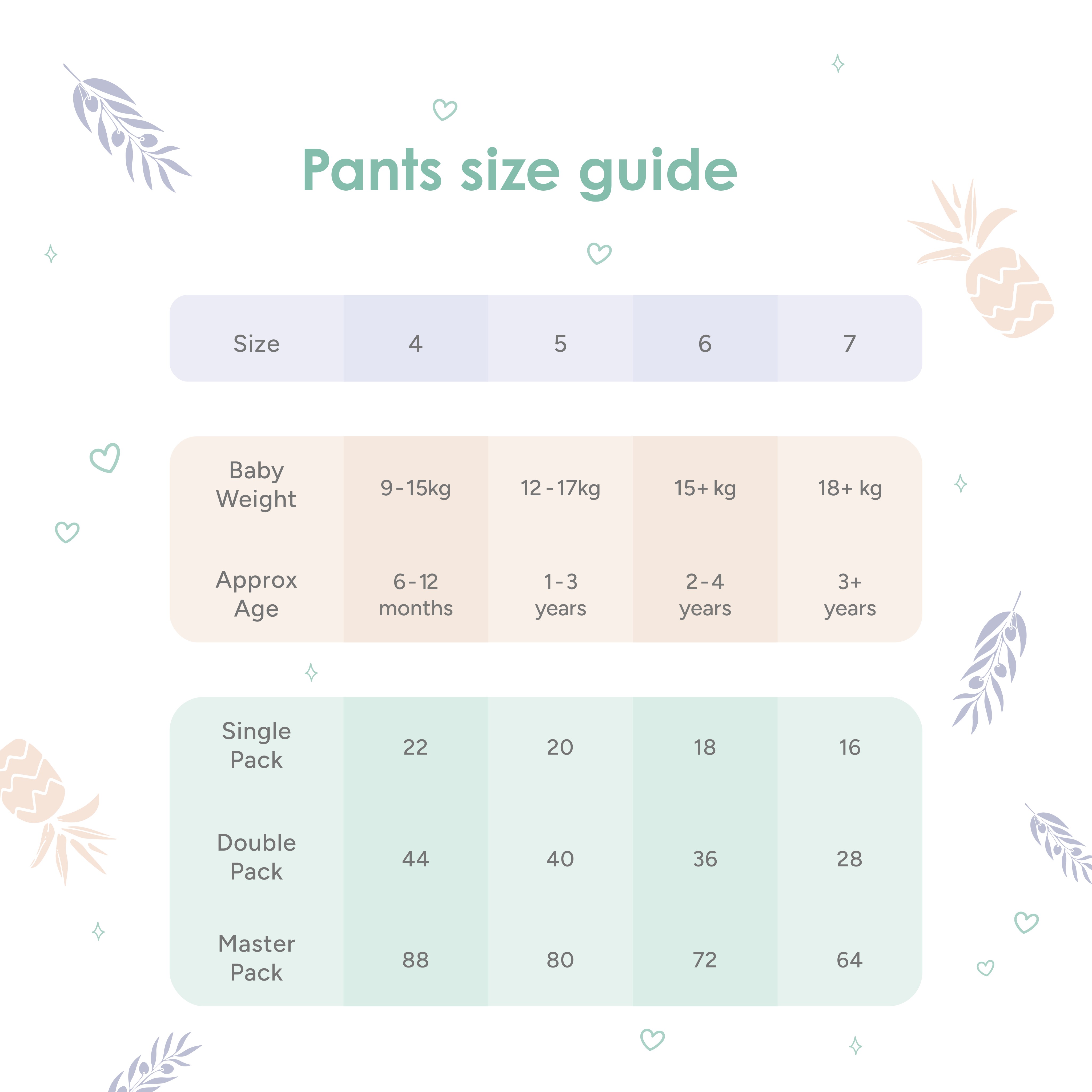
PureBorn Organic Bamboo Diapers are designed to be gentle on your baby's sensitive skin while also being environmentally friendly. With a 100% certified organic bamboo core, these diapers provide up to 12 hours of super-absorbent protection, ensuring comfort day and night. They are certified hypoallergenic, free from harmful chemicals, and vegan, making them a safe choice for both your child and the planet.
View Product