Skip to content


Overview
Parents are increasingly adopting sustainable practices to nurture their families while protecting the planet. This article highlights the importance of eco-friendly choices in parenting, such as using sensitive skin diapers, organic clothing, and engaging in community activities. By making informed decisions and instilling values of sustainability in children, families can contribute to a healthier environment and create lasting habits for future generations.
Frequently Asked Questions
1. What is sustainable parenting?
2. Why is sustainability important in parenting?
3. How can parents choose eco-friendly diapers?
4. What are some practical ways to incorporate sustainability into parenting?
5. What financial benefits can come from sustainable parenting?
In a world increasingly focused on sustainability, parents are finding innovative ways to nurture their families while preserving the planet. The connection between sustainable practices and parenting is becoming more important than ever, especially when it comes to choosing products for little ones. This article delves into the various aspects of eco-friendly parenting, emphasizing the significance of sustainable choices like sensitive skin diapers and how they contribute to a healthier environment and a better future for our children.
Why Sustainability Matters in Parenting
Natural instincts drive parents to protect and nurture their children. This parental instinct is now extending beyond immediate needs to include the health of our planet. Adopting sustainable practices isn’t just a trend; it’s a commitment to future generations. Here are some compelling reasons why sustainability matters in modern parenting:
Healthier Choices for Children
Choosing eco-friendly products means opting for materials that are free from harmful chemicals. Many traditional baby products contain toxins that could potentially harm a child's delicate skin. By selecting items like sensitive skin diapers, parents can ensure they are making safer choices for their kids.
Creating a Sustainable Future
Parents today are keenly aware that the environmental choices they make will impact the world their children inherit. By integrating sustainable practices into daily life, such as using biodegradable products and participating in recycling programs, families can contribute to a more sustainable future.
Building Awareness and Values
Teaching children about sustainability from an early age instills important values. As kids grow, they learn to understand the importance of protecting the environment, leading to a generation that is more mindful of their impact on the planet.
Practical Ways to Foster Sustainable Practices in Parenting
Incorporating sustainability into parenting doesn’t have to be overwhelming. With a few practical changes, families can make a big difference without compromising on quality or convenience. Here are some strategies to make eco-friendly choices:
Opt for Eco-Friendly Diapers
One of the most critical choices parents make is regarding diapers. Traditional disposable diapers often contribute to landfill waste and contain chemicals that can irritate sensitive skin. Opting for sensitive skin diapers made from natural materials can reduce waste and provide a gentler option for babies. Not only do these diapers help in protecting your baby’s skin, but they also minimize the environmental impact.
Choose Organic Clothing
When shopping for baby clothes, consider selecting organic fabrics that are free from harmful pesticides. Organic clothing is softer, more breathable, and better for sensitive skin. Moreover, it supports sustainable farming practices that are kinder to the environment.
Embrace Cloth Parenting
Cloth diapers have made a comeback as more parents search for sustainable alternatives to disposables. While they may require a bit more effort in terms of maintenance, cloth diapers can lead to significant savings over time and are much gentler on the Earth. Many brands now offer stylish designs, making them an attractive and functional option.
Utilize Second-hand Items
Buying second-hand baby gear not only saves money but also reduces waste. Thrift stores, online marketplaces, and local swap groups are great places to find gently used items. This practice encourages a circular economy and teaches children the value of reusing and recycling.
Incorporating Sustainable Practices into Daily Routines
Beyond product choices, there are numerous ways families can practice sustainability in their daily routines. Here are some aspects to consider:

Meal Planning and Waste Reduction
Food waste is a significant contributor to environmental issues. By planning meals and using leftovers creatively, parents can minimize waste. Additionally, incorporating more plant-based meals can lead to a reduced carbon footprint.
Natural Cleaning Products
Switching to all-natural cleaning products ensures a cleaner home environment without harmful chemicals. Many DIY recipes can be found online to create effective cleaning solutions using ingredients like vinegar, baking soda, and essential oils. This not only benefits sensitive skin but also the air quality in your home.
Eco-Friendly Family Activities
Engaging in eco-friendly activities as a family fosters a sense of community and connection with nature. Consider organizing outdoor adventures like hiking, visiting local farms, or participating in community clean-up days. Such activities not only create memories but also highlight the importance of caring for the environment.
The Financial Aspects of Sustainable Parenting
Sustainable practices can provide some unexpected financial benefits for families. While some eco-friendly options may appear more expensive upfront, they can lead to significant savings in the long run. Here are some financial advantages of sustainable parenting:
Cost Savings from Reusable Products
Investing in reusable items such as cloth diapers, water bottles, and shopping bags may seem like a significant expense initially, but they pay off over time. With proper care, these items can last for years, making them a cost-effective choice.
Lower Energy Bills
Making energy-efficient choices at home—like using LED light bulbs, energy-efficient appliances, and smart thermostats—can reduce monthly energy bills. These small adjustments not only save money but also contribute to a more sustainable lifestyle.
Sharing or Borrowing Items
Joining a local parenting group or network can open up opportunities to borrow or share items with other parents. From toys to clothes, this fosters community while reducing the necessity to purchase new items.
Creating Habits That Last a Lifetime
To instill sustainable habits that last a lifetime, it’s crucial to engage children in the process. Here are a few interactive ideas:
Weekly Family Sustainability Meetings
Set aside time each week to discuss sustainability. This could range from reviewing your family’s eco-friendly practices to planning future green activities. Involving children in discussions helps them feel empowered and responsible for their actions.
Gardening Together
Create a small garden to teach children about where food comes from and the importance of taking care of the environment. Gardening can also spark an interest in healthy eating habits, as children learn to appreciate fresh fruits and vegetables.
Involvement in Community Projects
Encouraging involvement in local environmental initiatives, such as tree planting or beach clean-ups, allows children to contribute to their community while understanding the importance of sustainability. These experiences are invaluable and foster a sense of belonging.
Sustainable Parenting: More than a Trend
The connection between sustainable practices and parenting reflects a deeper commitment to future generations. By making informed decisions about products like sensitive skin diapers, embracing eco-friendly habits, and fostering an appreciation for the environment, families significantly impact the world around them. Sustainable parenting goes beyond mere trends; it’s about creating a legacy. Together, parents can embark on this journey, ensuring that children inherit a healthier, happier planet.
Linked Product

Organic Bamboo Diapers
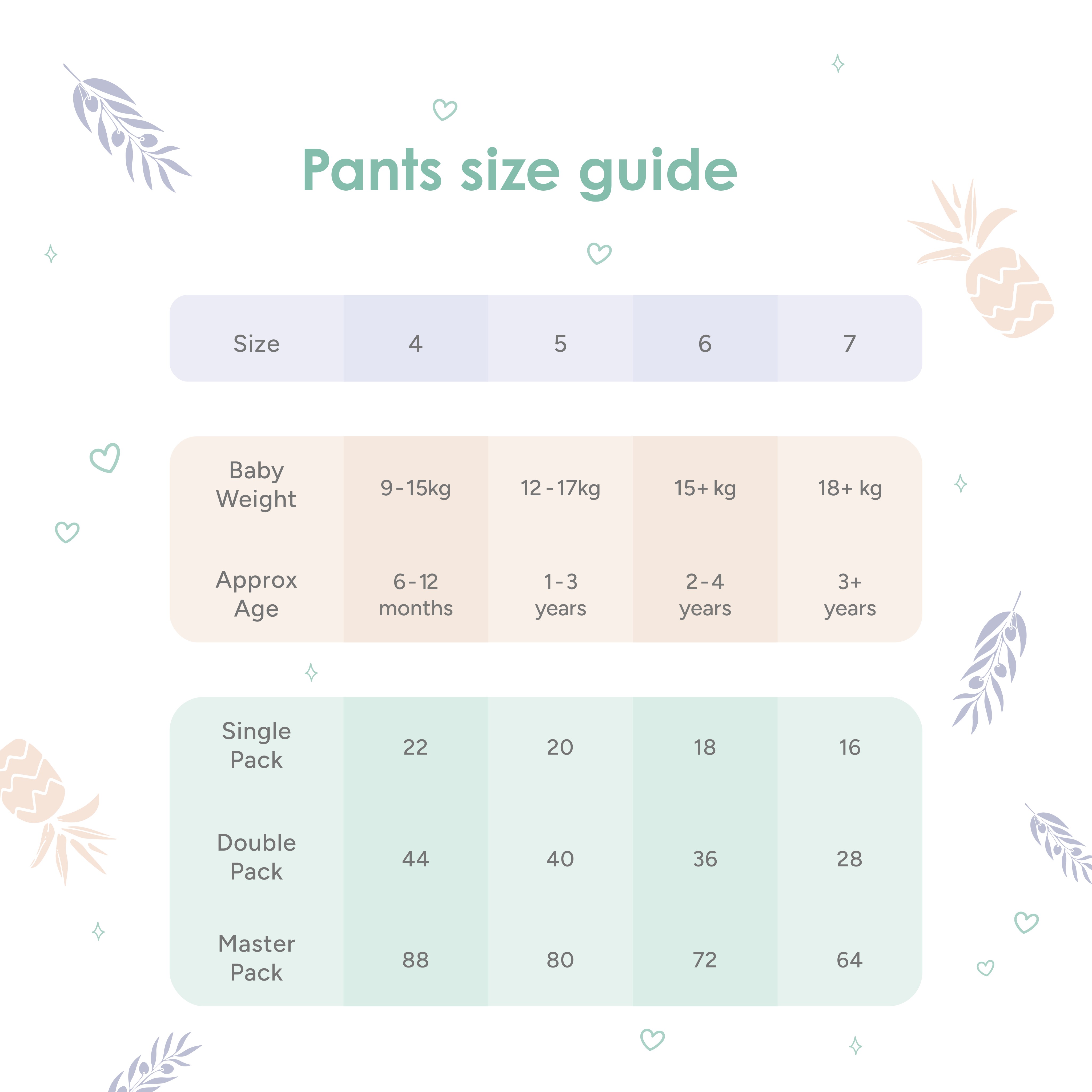
Organic Bamboo Diapers are designed with both baby comfort and environmental sustainability in mind. Made from 100% certified organic bamboo, these diapers are hypoallergenic and dermatologically tested, making them ideal for sensitive skin. With super-absorbent capabilities, they offer up to 12 hours of dry protection, ensuring your baby stays comfortable throughout the day and night.
View Product