Skip to content


Overview
Eco-friendly parenting is essential for raising environmentally conscious children. This article offers practical tips to reduce waste, such as choosing biodegradable diapers, practicing mindful consumption, creating an eco-friendly home, and promoting sustainable fashion. Encourage family participation in waste reduction efforts and spread the message of sustainability within your community to foster a culture of care for the planet.
Frequently Asked Questions
1. What is eco-friendly parenting?
2. How can I assess the waste in my home?
3. What are some sustainable product choices for parents?
4. How can I promote mindful consumption in my family?
5. What are some ways to spread the eco-friendly message in my community?
In a world increasingly conscious of environmental issues, eco-friendly parenting is not just a trend but a necessity. As parents, we have the power to raise the next generation with values that prioritize sustainability and care for the planet. This article will deliver practical tips for reducing waste, spotlighting practices that every modern family can adopt. From choosing biodegradable diapers to embracing mindful consumption, small changes can yield significant benefits for our environment and our children.
Understanding Eco-Friendly Parenting
Eco-friendly parenting embodies the idea of nurturing not only our children but also the planet. As we explore different ways to reduce waste, it’s essential to grasp what eco-friendly practices mean in our daily lives. By making conscious decisions and embracing sustainable habits, we can create a healthier home and foster greater environmental awareness in our children.
Assessing the Waste in Your Home
The first step in reducing waste is understanding what constitutes waste in your household. Conduct a thorough assessment of your family's daily activities and consumption habits. Consider the following:
- Food Waste: Are you buying more groceries than you can consume, leading to spoiled items?
- Packaging Waste: What types of packages do your everyday products come in?
- Disposable Items: Are single-use plastics a regular part of your shopping list?
By identifying the areas of waste in your home, you pave the way for implementing effective strategies to reduce your family's footprint.
Choosing Sustainable Products
One of the simplest ways to practice eco-friendly parenting is by choosing sustainable, biodegradable products. For instance, consider incorporating biodegradable diapers into your baby's routine. These diapers break down naturally, reducing the burden on landfills compared to traditional disposable options.
Biodegradable Diapers and Their Benefits
Biodegradable diapers are designed to decompose more quickly than conventional diapers. They offer numerous advantages, including:
- Minimized Landfill Impact: Traditional diapers can take hundreds of years to decompose. Biodegradable options significantly lessen this time frame.
- Reduced Chemicals: Many biodegradable diapers are made from natural materials, reducing chemical exposure for your baby.
- Peace of Mind: Knowing you're making a better choice for the environment can lead to a more fulfilling parenting experience.
When selecting biodegradable diapers, look for certifications or reliable brands that prioritize eco-friendly materials and manufacturing processes.
Mindful Consumption Practices
Adopting mindful consumption practices can greatly reduce waste. Encouraging your family to think critically about purchases will make a significant difference. Here are some tips to consider:
- Ask 'Do We Really Need This?': Before making a purchase, assess whether the item is a necessity or merely a want.
- Choose Quality Over Quantity: Invest in durable products that will last longer, rather than opting for cheaper, lower-quality alternatives.
- Embrace Second-Hand Shopping: Thrift stores and online marketplaces are treasure troves for gently used items that can save money and reduce waste.
By encouraging children to participate in these discussions, you not only teach them about sustainability but also provide them valuable decision-making skills.
Creating an Eco-Friendly Home Environment
Transforming your living space into an eco-friendly haven can significantly impact your waste reduction journey. Consider the following changes:
Reduce, Reuse, Recycle
The three R’s are fundamental principles of waste management:

- Reduce: Cut back on things you don't use or need.
- Reuse: Find ways to repurpose items instead of throwing them away.
- Recycle: Familiarize yourself with local recycling guidelines to ensure proper sorting and processing of materials.
Establishing a Waste Reduction Plan
Create a family plan that emphasizes your collective desire to reduce waste. Assign roles to your children to help teach them responsibility while they participate actively in sustainability efforts. For example:
- Designate a recycling station in your home.
- Assign weekly tasks such as food composting or organizing clothes for donation.
- Encourage discussions about new habits and goals as a family.
Emphasizing Sustainable Fashion Choices
The clothing industry is notorious for its waste. As parents, we can make conscious decisions to promote sustainable fashion choices for our families:
Consider Slow Fashion
Invest in slow fashion by choosing high-quality, timeless pieces instead of fast fashion items. Limit shopping sprees and encourage children to cherish their wardrobe. When clothes do need replacement, consider swapping with friends or buying second-hand.
Educating Children on Fashion Waste
Teach your children about the impacts of fashion waste and the significance of choosing sustainable brands. Discussions around clothing will help instill values that prioritize eco-friendly choices.
Embracing Homemade Solutions
Making items from scratch not only reduces the reliance on packaging but can also be a fun family activity. Consider the following:
- Homemade Cleaning Products: Use natural ingredients like vinegar and baking soda to create powerful cleaning solutions.
- DIY Crafts: Engage children in creating crafts from recycled materials, turning waste into something beautiful.
- Homemade Snacks: Prepare snacks at home, reducing packaging while also ensuring healthier options!
Not only will these activities decrease waste, but they’ll also encourage creativity and collaboration among family members.
Spreading the Eco-Friendly Message
As eco-friendly parents, it is essential to expand our influence beyond our families. Foster discussions about sustainability with friends, neighbors, and your community. Consider:
- Participating in Local Eco-Events: Engage in community cleanups, recycling drives, and sustainability workshops.
- Sharing Knowledge: Use social media platforms or community groups to share your experiences and motivate others.
- Teaching Others: Host gatherings to educate friends and family about eco-friendly practices.
By being vocal champions for sustainability, you contribute to creating a broader cultural shift towards eco-friendliness.
Creating a Zero Waste Family Culture
To truly commit to reducing waste as a family, it's essential to create a culture that prioritizes eco-friendly choices. This can be achieved by:
- Setting Goals: Work as a family to set achievable waste-reduction goals, celebrating progress along the way.
- Establishing Rituals: Involve your family in eco-friendly rituals like a “no plastic” day or a weekly family bike ride.
- Fostering Open Communication: Encourage your children to express their thoughts about sustainability and waste reduction throughout their day-to-day lives.
Building a culture around waste reduction will help your family develop long-term habits that will stick with them into adulthood.
The Delight of Eco-Friendly Parenting
Eco-friendly parenting is a journey filled with discoveries and opportunities. The commitment to reducing waste is not just about making the right choices—it's about shaping a legacy for future generations. By choosing sustainable products like biodegradable diapers, practicing mindful consumption, and instilling these values in your children, you forge a path towards a brighter, greener future. Embrace these principles, share them with your loved ones, and watch as your family flourishes in an environment of care—for both each other and the planet. The future is in our hands, and together, we can create lasting change!
Linked Product

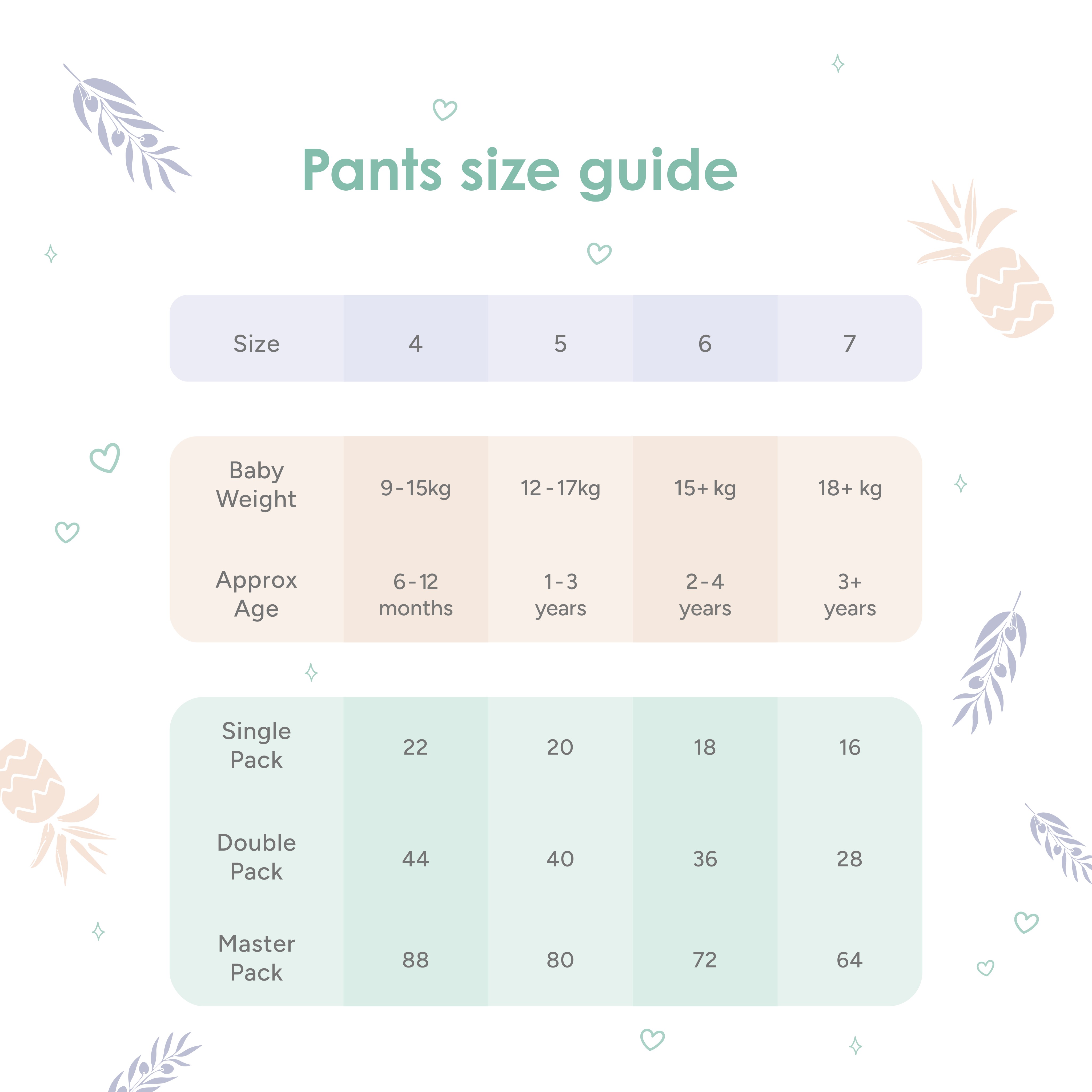
Organic Bamboo Diapers
Organic Bamboo Diapers are designed for parents seeking a gentle and eco-friendly option for their baby's needs. Made from 100% certified organic bamboo, these diapers are hypoallergenic and dermatologically tested, making them suitable for sensitive skin. Their super-absorbent design offers up to 12 hours of protection, ensuring comfort for your baby while minimizing environmental impact.
View Product