Skip to content


Overview
Choosing the right nappy is crucial for your baby's comfort and your convenience. This guide covers the basics of nappies, including types (disposable, cloth, and organic bamboo), their pros and cons, and essential factors like size, absorbency, and environmental impact. Organic bamboo diapers are highlighted for their comfort and sustainability. Establishing a nappy routine can simplify changes and enhance bonding.
Frequently Asked Questions
1. What are the key factors to consider when choosing a nappy?
2. What are the different types of nappies available?
3. What are the benefits of using organic bamboo diapers?
4. How can I establish an effective nappy-changing routine?
5. What should I do if my baby experiences consistent rashes from their nappies?
As a parent, one of the most significant choices you’ll make for your little one is selecting the right nappy. With an abundance of options available in the market, understanding the features, benefits, and types of nappies available can make a world of difference for your baby’s comfort and your peace of mind. In this comprehensive guide, we’ll delve into the different types of nappies and help you determine which one is best for your baby’s needs while shining a spotlight on the benefits of using organic bamboo diapers.
Understanding Nappy Basics
Before you choose a nappy, it's essential to understand the basic terminologies and functionalities. Nappies are designed to absorb and contain waste, ensuring that your baby remains dry and comfortable. The key factors to consider when selecting a nappy include:
- Absorbency: How well does the nappy soak up fluids?
- Fit: Is the nappy snug but comfortable? A good fit reduces leaks.
- Material: What fabrics are used in the construction?
- Price: What is your budget for nappies?
Types of Nappies
Nappies come in various types, each with its own set of advantages and drawbacks. Below are the most common types of nappies you will encounter:
Disposable Nappies
Disposable nappies are one of the most popular choices among parents. These nappies are made from synthetic materials and designed for single-use. Here are some advantages and disadvantages:
- Pros:
- Convenient for travel and quick changes.
- Available in various sizes and styles suited for different ages.
- Highly absorbent, keeping your baby dry for longer.
- Cons:
- Contributes significantly to landfill waste.
- Some brands may use harsh chemicals that can irritate sensitive skin.
Cloth Nappies
Cloth nappies are another viable option for eco-conscious parents. These are reusable, which can save money in the long run. Below are their pros and cons:
- Pros:
- Environmentally friendly since they produce less waste.
- Soft and comfortable against your baby’s skin.
- Can be customized for better absorbency with additional inserts.
- Cons:
- Require frequent washing, which can be time-consuming.
- May leak if not fitted properly or if the absorbency is insufficient.
Organic Bamboo Diapers
When looking for the best in terms of comfort and sustainability, organic bamboo diapers stand out from the competition. These nappies are designed using natural materials, particularly bamboo, which is gentle on your baby’s skin and the environment.
- Benefits of Organic Bamboo Diapers:
- They are highly absorbent, providing excellent leak protection.
- Natural bamboo has antibacterial properties, reducing the risk of rashes.
- Soft and breathable, keeping your baby comfortable and dry.
- Biodegradable options are available, making them a more sustainable choice.
Factors to Consider When Choosing Nappies
With the types of nappies in mind, there are several factors you'll need to consider before making your purchase.
Size
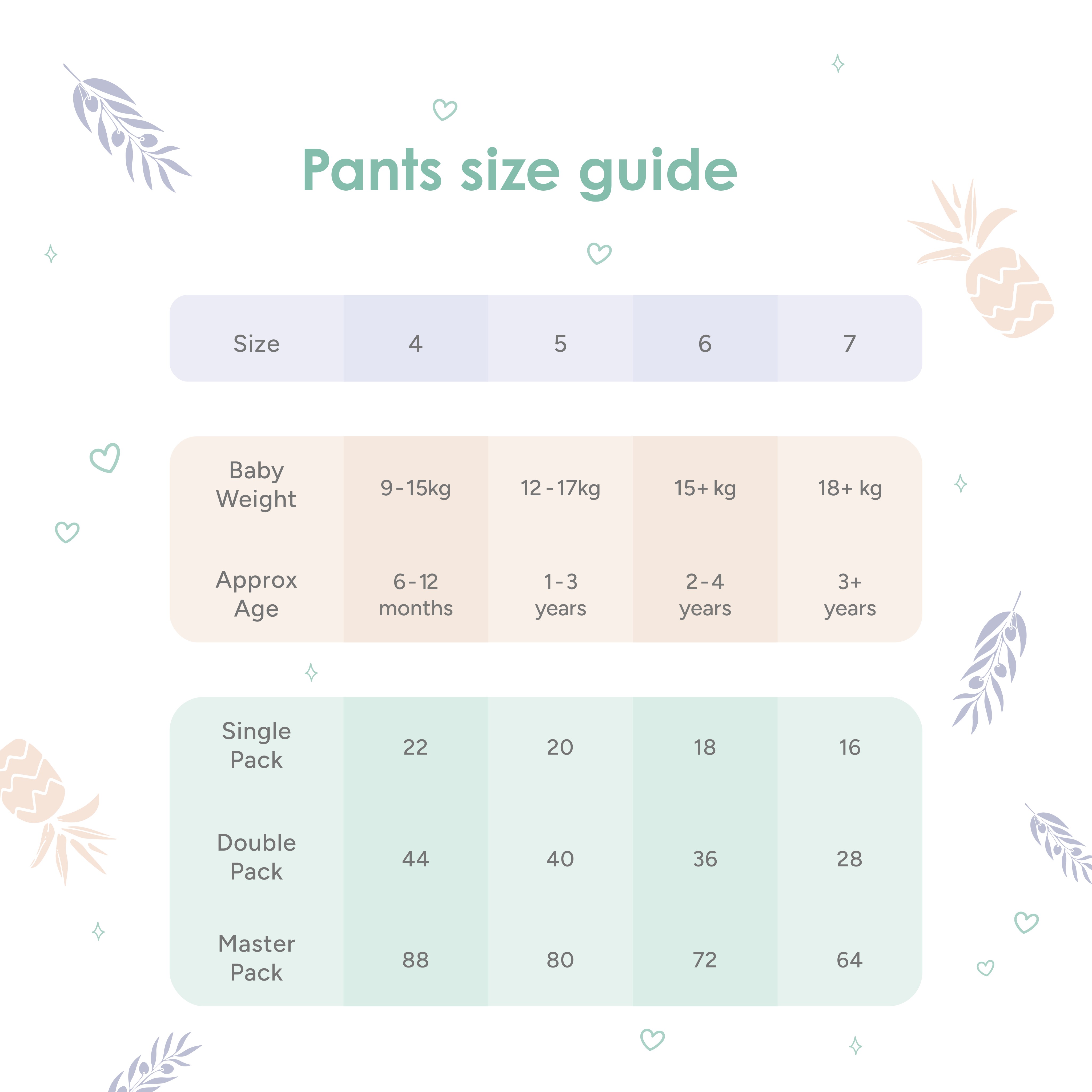
Getting the right size is crucial for optimal performance. Nappies come in various sizes based on your baby’s weight and age. Follow the sizing guide provided by the manufacturer to ensure a snug fit. A nappy that is too big can lead to leaks, while one that is too small may be uncomfortable for your baby.
Features
Look for nappies with features that matter most to you. Some might include:

- Elastic leg cuffs: These help to prevent leaks and fit snugly around your baby's legs.
- Wetness indicators: This feature changes color when the nappy is wet, making it easier for you to know when it’s time for a change.
- Hypoallergenic materials: If your baby has sensitive skin, these types of nappies are less likely to cause irritation.
Budget
Setting a budget for nappies is essential. While you can find economical options easily, high-quality options such as organic bamboo diapers may come with a higher price tag. However, they often provide better comfort and sustainability, which may make them worth the investment.
Tips for Nappy Changing
Changing your baby’s nappy can be a simple task with a few tips in mind to ensure a smooth process:
- Always keep your essentials within reach — this includes clean nappies, wipes, and a changing mat.
- Keep one hand on your baby to prevent them from rolling over.
- Use a gentle baby wipe or cloth for cleaning. Look for fragrance-free options for sensitive skin.
- Allow your baby's skin to breathe for a few moments before putting on a new nappy to reduce moisture.
The Environmental Impact of Nappy Choices
Being mindful of the environmental impact of your nappy choices is essential in today’s eco-conscious world. Traditional disposable nappies can take hundreds of years to decompose in landfills, contributing to massive amounts of waste.
Opting for organic bamboo diapers or reusable cloth nappies can significantly reduce your ecological footprint. Bamboo is a sustainable crop that grows quickly and requires less water compared to cotton. Choosing eco-friendly options helps ensure a healthier planet for future generations.
Unveiling the Best Time to Switch Nappies
As your baby grows and develops, their nappy needs will change. Here’s when you should consider switching nappies:
- Growth Spurts: If your baby is between sizes, it may be time to upgrade for comfort.
- Potty Training: Assess your child’s readiness for potty training and gradually transition out of nappies.
- Rashes: If your baby experiences consistent rashes, it may be a sign that they need a different type of nappy.
By paying close attention to your baby’s needs, you’ll be able to make timely decisions about which nappies work best for them.
The Ultimate Nappy Routine
Establishing a nappy-changing routine can help make the process easier for both you and your baby. Here are some tips for creating a successful nappy routine:
- Determine a schedule based on your baby’s feeding and sleeping patterns. Generally, babies need to be changed every two to three hours.
- Involve your baby in the changing process by talking or singing to them during changes to keep them engaged and calm.
- Keep a consistent changing area, so your baby knows what to expect.
With a consistent routine, you’ll find that changing nappies becomes less of a chore and more of a bonding experience with your little one.
Final Thoughts: Nappy Shopping Made Simple
Choosing the right nappy for your baby doesn’t have to be overwhelming. Understanding the different types of nappies available, knowing what features to look for, and considering the environmental impact of your choices will empower you to make informed decisions. Organic bamboo diapers offer an exceptional combination of comfort and sustainability, providing peace of mind for both you and your baby. Remember that every baby is unique, so take your time experimenting with different options until you find the perfect fit. Happy nappy shopping!
Linked Product

Organic Bamboo Diapers
PureBorn Organic Bamboo Diapers are designed for babies with sensitive skin, featuring a hypoallergenic and dermatologically tested bamboo core that minimizes the risk of irritation. Their ultra-soft, breathable materials provide all-day comfort, while the super-absorbent design ensures up to 12 hours of dryness. Additionally, these diapers are eco-friendly, being vegan and free from harmful chemicals, making them a safer choice for both your baby and the environment.
View Product