تجاوز إلى المحتوى


نظرة عامة
يتضمن اختيار الحفاضات المناسبة لطفلك حديث الولادة فهم الأنواع المختلفة المتوفرة (التي تستخدم لمرة واحدة، والقماشية، والصديقة للبيئة)، وتقييم الاحتياجات الخاصة لطفلك (العمر، حساسية الجلد)، ومراعاة عوامل مثل الراحة، والميزانية، والتأثير البيئي. أعطِ الأولوية للامتصاص، وسهولة الاستخدام، واقرأ المراجعات لاتخاذ قرار مستنير يتوافق مع نمط حياة عائلتك وقيمها.
الأسئلة المتكررة
1. ما هي الأنواع المختلفة من الحفاضات المتوفرة؟
2. كيف أقوم بتقييم احتياجات طفلي من الحفاضات؟
3. ما هي المواد الشائعة المستخدمة في الحفاضات؟
4. ما الذي يجب أن آخذه في الاعتبار فيما يتعلق بالحماية من التسرب والامتصاص؟
5. كيف يمكن للمراجعات عبر الإنترنت أن تساعد في اختيار الحفاضات المناسبة؟
عندما يتعلق الأمر برعاية مولودك الجديد، فإن إحدى المهام الأساسية التي ستواجهها هي اختيار الحفاضات المناسبة. مع توفر العديد من الخيارات، من الحفاضات التي تستخدم لمرة واحدة إلى الحفاضات القماشية والحفاضات الصديقة للبيئة، يمكن أن تكون الخيارات مربكة. سيساعدك هذا الدليل في التنقل عبر مجموعة متنوعة من الحفاضات، مما يضمن راحة طفلك وتوافق خياراتك مع قيمك. سنستكشف الاعتبارات الرئيسية التي يجب مراعاتها عند اختيار الحفاضات لطفلك الصغير.
فهم الأنواع المختلفة من الحفاضات
الخطوة الأولى في اختيار الحفاضات المناسبة هي فهم الأنواع المختلفة المتوفرة. فيما يلي الخيارات الأكثر شيوعًا:
- الحفاضات التي تستخدم لمرة واحدة: مريحة وشائعة الاستخدام، تم تصميم الحفاضات التي تستخدم لمرة واحدة للاستخدام الفردي. تمتص الرطوبة بسرعة وسهلة التغيير، مما يجعلها خيارًا شائعًا للآباء المشغولين.
- الحفاضات القماشية: خيار صديق للبيئة يمكن إعادة استخدامه مرارًا وتكرارًا. تأتي الحفاضات القماشية بأنماط ومواد مختلفة، مما يوفر الامتصاص والراحة مع تقليل النفايات بشكل كبير.
- الحفاضات الصديقة للبيئة: هذه بديل أكثر استدامة للخيارات التقليدية التي تستخدم لمرة واحدة. مصنوعة من مواد قابلة للتحلل الحيوي أو القطن العضوي، تم تصميم الحفاضات الصديقة للبيئة بدون مواد كيميائية ضارة.
تقييم احتياجات طفلك
كل طفل فريد من نوعه، وتختلف احتياجاته من الحفاضات. يمكن أن تؤثر عوامل مثل العمر وحساسية الجلد وحتى نمط الحياة على اختيارك. إليك كيفية تقييم احتياجات طفلك:
العمر والوزن
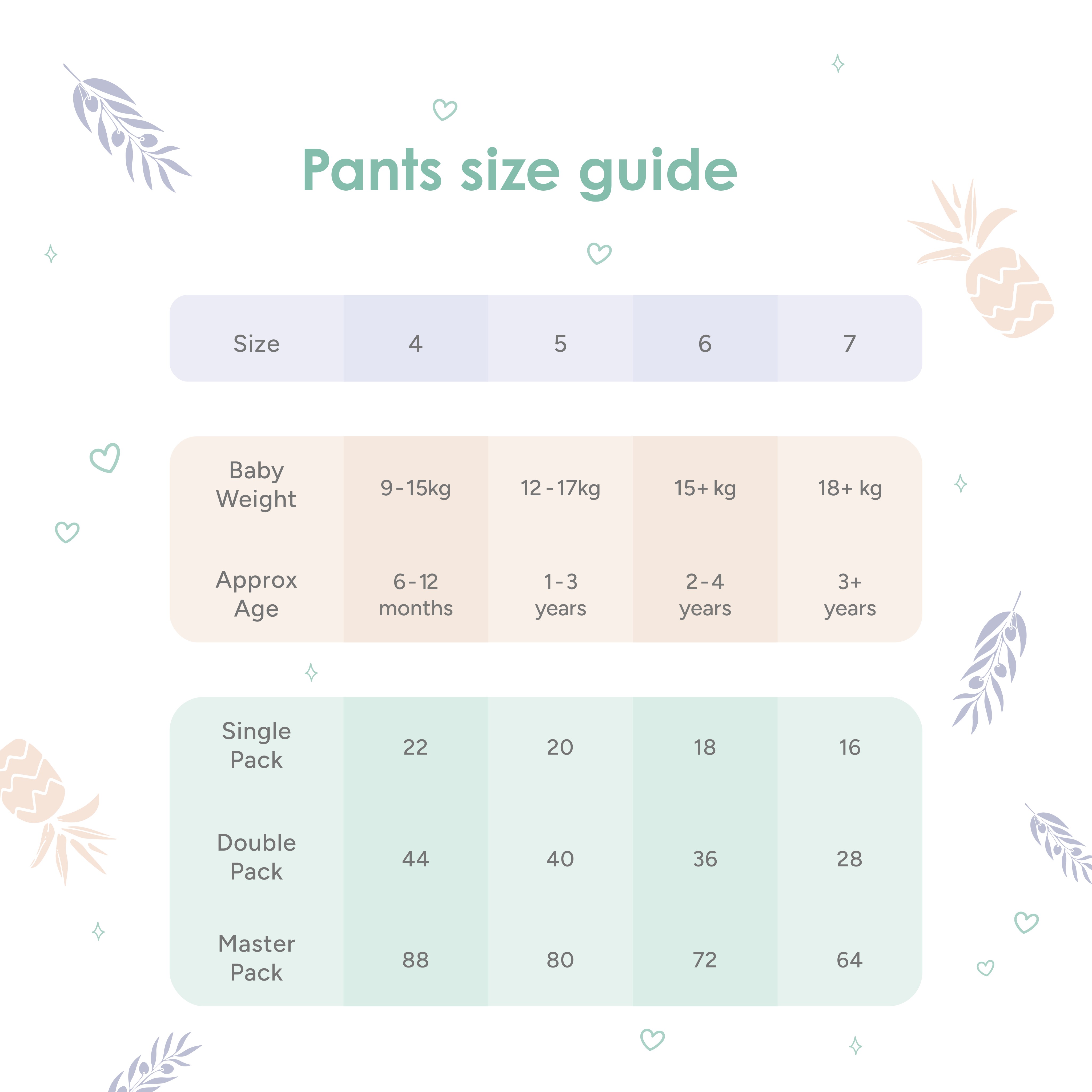
تقدم معظم ماركات الحفاضات إرشادات للحجم بناءً على العمر والوزن. تأكد من اختيار الحجم المناسب لطفلك لمنع التسرب وضمان الراحة. يحتاج حديثو الولادة عادةً إلى أحجام أصغر، والتي يمكن أن تتغير بسرعة مع نموهم.
حساسية الجلد
قد يكون لدى بعض الأطفال بشرة حساسة وعرضة للطفح الجلدي. يمكن أن يساعد اختيار الحفاضات الصديقة للبيئة، المصنوعة من مواد طبيعية وخالية من المواد الكيميائية الاصطناعية، في تخفيف الانزعاج لهؤلاء الرضع. تحقق دائمًا من وجود علامات الحساسية عند تجربة منتجات جديدة.
أهمية مادة النسيج
تلعب مادة الحفاضة دورًا حاسمًا في راحة طفلك وصحته العامة. فيما يلي المواد الأساسية المستخدمة في الحفاضات:
- القطن العضوي: ناعم ومسامي، القطن العضوي خيار ممتاز للأطفال ذوي البشرة الحساسة. فهو أقل عرضة لتهيج الجلد مقارنة بالخيارات الاصطناعية.
- الخيزران: يمتص بشكل فائق ومضاد للبكتيريا بشكل طبيعي، يعتبر الخيزران خيارًا مريحًا آخر. تستخدم العديد من الحفاضات الصديقة للبيئة نسيج الخيزران لاستدامته ونعومته.
- البوليستر: شائع في الحفاضات التي تستخدم لمرة واحدة، يوفر البوليستر المتانة ولكنه قد لا يكون مناسبًا للبشرة الحساسة.
تقييم ما يناسب عائلتك
تعتمد الحفاضات الأنسب أيضًا على نمط حياة عائلتك. ضع في اعتبارك هذه العوامل عند اتخاذ قرارك:
الراحة مقابل الاستدامة
إذا كنت تعيش حياة مزدحمة، فقد تبدو الحفاضات التي تستخدم لمرة واحدة هي الحل الأمثل نظرًا لراحتها. ومع ذلك، إذا كان التأثير البيئي يمثل أولوية بالنسبة لك، فاستكشف خيارات مثل الحفاضات القماشية أو الحفاضات الصديقة للبيئة التي تتوافق مع قيمك.
اعتبارات الميزانية
ميزانيتك حاسمة عندما يتعلق الأمر باختيار الحفاضات. يمكن أن تكون الحفاضات القماشية ذات تكلفة أولية أعلى ولكنها تثبت أنها فعالة من حيث التكلفة على المدى الطويل. الحفاضات التي تستخدم لمرة واحدة، على الرغم من أنها أرخص في البداية، يمكن أن تتراكم عليها تكلفة كبيرة بمرور الوقت. يمكن أن يساعدك إجراء العمليات الحسابية للنفقات الإجمالية المتوقعة في اتخاذ قرار مستنير.
الحماية من التسرب والامتصاص
أحد أهم العوامل عند اختيار الحفاضات هو الحماية من التسرب وقدرات الامتصاص. ضع في اعتبارك ما يلي:

مستويات الامتصاص
تحقق من مستويات امتصاص مواد الحفاضات. ستقدم معظم العلامات التجارية معلومات حول مدى امتصاص منتجاتها للرطوبة. هذه الميزة ضرورية للحفاظ على جفاف طفلك وراحته.
قابلية التعديل
ابحث عن حفاضات ذات ألسنة قابلة للتعديل أو جوانب مرنة، مما يسمح بمقاس مريح دون المساس بالحركة. المقاس الجيد يقلل أيضًا من خطر التسرب، مما يسعد الطفل والوالدين!
سهولة الاستخدام
يقدر الآباء المنتجات سهلة الاستخدام، خاصة أثناء تغييرات الحفاضات في وقت متأخر من الليل. إليك بعض النصائح لضمان اختيار خيار سهل الاستخدام:
أنظمة تثبيت بسيطة
تأتي الحفاضات التي تستخدم لمرة واحدة عادةً بألسنة لاصقة، بينما قد تحتوي الحفاضات القماشية على أزرار كبس أو فيلكرو. اختر النوع الذي تجده الأسهل في التعامل معه، خاصة عندما تحتاج إلى تغيير حفاضة الطفل بسرعة.
الغسيل والصيانة
إذا اخترت الحفاضات القماشية، فضع في اعتبارك عملية الغسيل. تتطلب بعضها منظفات خاصة، بينما قد لا يتطلب البعض الآخر ذلك. تأكد من مراعاة مقدار الوقت والجهد الذي يمكنك استثماره واقعيًا في صيانة خيار الحفاضات الخاص بك.
الانتقال إلى حفاضات مختلفة
إذا كنت تنتقل إلى نوع مختلف من الحفاضات، فافعل ذلك تدريجيًا. قم بإدخال كميات صغيرة من المنتج الجديد بجانب خيارك الحالي لمراقبة أي ردود فعل من جلد طفلك وقياس الأداء العام. سيكون انتقالك أكثر سلاسة، ويمكنك إجراء التعديلات اللازمة قبل الالتزام الكامل بعلامة تجارية أو نوع جديد.
أهمية المراجعات
تعتبر المراجعات عبر الإنترنت لا تقدر بثمن عند اختيار الحفاضات. خذ وقتًا لقراءة ملاحظات العملاء التي تناقش تجاربهم مع علامات تجارية معينة، بما في ذلك الراحة والمقاس والرضا العام. يمكن أن يوفر تبادل الأفكار مع الآباء الآخرين توصيات إيجابية لتوجيه عملية اتخاذ القرار.
طلب التوصيات
لا تتردد في سؤال الأصدقاء أو العائلة عن آرائهم حول العلامات التجارية التي يختارونها. في بعض الأحيان، يمكن للتجارب الشخصية أن توضح الإيجابيات والسلبيات بشكل أفضل من أي مواد تسويقية.
فهم التأثير البيئي
كآباء، من الأهمية بمكان أن نكون واعين بتأثيرنا على الكوكب. هنا يأتي دور الحفاضات الصديقة للبيئة. يمكن أن يساعد اختيار الخيارات المستدامة في تقليل النفايات في مدافن النفايات والمساهمة في بيئة صحية للأجيال القادمة. فيما يلي بعض الطرق التي تختلف بها الحفاضات الصديقة للبيئة:
- مواد قابلة للتحلل الحيوي تتحلل بشكل أسرع من الخيارات التقليدية التي تستخدم لمرة واحدة.
- تُنتج بدون مواد كيميائية ضارة أو عطور يمكن أن تهيج البشرة الحساسة.
- غالبًا ما تُصنع من موارد متجددة، مثل الخيزران والقطن العضوي.
أفكار أخيرة: حفاضات تناسب رحلتك
يعد اختيار الحفاضات المناسبة لطفلك قرارًا شخصيًا وعمليًا في آن واحد. من خلال مراعاة عوامل مثل سهولة الاستخدام، والمواد، ونمط الحياة، والميزانية، يمكنك العثور على المقاس المثالي لعائلتك. لا تنسَ استكشاف الحفاضات الصديقة للبيئة لمواءمة خياراتك مع قيمك البيئية. تذكر أن كل طفل مختلف، والمرونة هي المفتاح. تغيير حفاضات سعيد!
المنتج المرتبط

حفاضات الخيزران العضوية
تم تصميم حفاضات الخيزران العضوية مع مراعاة بشرة طفلك الرقيقة، وتوفر خيارًا مضادًا للحساسية ومختبرًا من قبل أطباء الجلد يقلل من خطر التهيج. مصنوعة من الخيزران من مصادر مستدامة، توفر هذه الحفاضات حماية فائقة الامتصاص لمدة تصل إلى 12 ساعة، مما يضمن الراحة ليلاً ونهارًا. تدعم موادها الصديقة للبيئة وشهاداتها صحة طفلك واستدامة البيئة.
عرض المنتج