تجاوز إلى المحتوى


نظرة عامة
يتجه الآباء بشكل متزايد نحو اختيار منتجات الأطفال المستدامة لفوائدها على أطفالهم والبيئة. تُصنع المنتجات الصديقة للبيئة من مواد غير سامة، وتستخدم موارد قابلة للتحلل الحيوي، وتقلل النفايات. تتضمن الاتجاهات الحالية التركيز على المواد العضوية، وخيارات السلع المستعملة، والتقنيات المبتكرة. يمكن لهذه الخيارات تحسين الصحة عن طريق تقليل الحساسية وتحسين جودة الهواء الداخلي. لإنشاء حضانة مستدامة، اختر أثاثًا وأنظمة حفاضات صديقة للبيئة. يمكن أن يساهم التفاعل مع الموارد المجتمعية في دعم الأبوة والأمومة الواعية بيئيًا، مما يعزز أسلوب حياة أكثر اخضرارًا للأجيال القادمة.
جدول المحتويات
- فهم منتجات الأطفال الصديقة للبيئة
- ما الذي يجعل منتجات الأطفال مستدامة؟
- الاتجاهات الحالية في منتجات الأطفال المستدامة
- التحول نحو المواد العضوية
- المنتجات المستعملة والمعاد تدويرها
- التقنيات المبتكرة لتحقيق الاستدامة
- الفوائد الصحية لاختيار منتجات الأطفال الصديقة للبيئة
- يقلل من الحساسية وتهيج الجلد
- يحسن جودة الهواء الداخلي
- كيفية التعرف على المنتجات الصديقة للبيئة حقًا
- ابحث عن الشهادات
- ابحث في ممارسات العلامة التجارية
- إنشاء حضانة مستدامة
- اختر أثاثًا صديقًا للبيئة
- زين بالإلهامات الطبيعية
- تطبيق نظام حفاضات صديق للبيئة
- دور المجتمع والوعي
- انضم إلى المجتمعات عبر الإنترنت
- حضور الفعاليات المحلية
- تبنى فوائد نمط الحياة الخضراء
النقاط الرئيسية
- تم تصميم منتجات الأطفال الصديقة للبيئة لتقليل التأثير البيئي مع ضمان السلامة والراحة للأطفال الرضع.
- تشمل الخصائص الرئيسية للمنتجات المستدامة المواد القابلة للتحلل الحيوي، والمواد الكيميائية غير السامة، والتعبئة والتغليف القابلة لإعادة التدوير.
- يتجه الآباء بشكل متزايد نحو المواد العضوية، والتي تكون ألطف على بشرة الطفل وتدعم ممارسات الزراعة المستدامة.
- تزداد شعبية المنتجات المستعملة والمعاد تدويرها، مما يعزز الاقتصاد الدائري ويقلل النفايات.
- يمكن أن يقلل اختيار المنتجات الصديقة للبيئة من الحساسية ويحسن جودة الهواء الداخلي للأطفال.
- ابحث عن الشهادات مثل GOTS و OEKO-TEX لتحديد منتجات الأطفال المستدامة حقًا.
- يتضمن إنشاء حضانة مستدامة اختيار أثاث صديق للبيئة ودمج المواد الطبيعية في الديكور.
الأسئلة المتكررة
1. ما هي منتجات الأطفال الصديقة للبيئة؟
2. ما هي فوائد استخدام منتجات الأطفال المستدامة؟
3. كيف يمكن للوالدين التعرف على منتجات الأطفال الصديقة للبيئة حقًا؟
4. ما هي أحدث الاتجاهات التي يتم ملاحظتها في منتجات الأطفال المستدامة؟
5. كيف يمكن للوالدين إنشاء حضانة مستدامة؟
عندما يتعلق الأمر بالاستعداد لقدوم مولود جديد، لا يهتم العديد من الآباء بالاحتياجات الفورية لأطفالهم فحسب؛ بل يدركون أيضًا بشكل متزايد الآثار طويلة المدى لخياراتهم على البيئة. وقد أدى هذا الوعي المتزايد إلى زيادة في شعبية وتوفر منتجات الأطفال المستدامة. في هذا المقال، سنستكشف الاتجاهات الحالية والفوائد والابتكارات في منتجات الأطفال الصديقة للبيئة لمساعدة الآباء على اتخاذ خيارات مستنيرة للمستقبل.
فهم منتجات الأطفال الصديقة للبيئة
تشير منتجات الأطفال الصديقة للبيئة إلى العناصر المصنوعة بعناية لكل من الرضع والكوكب. تتجنب هذه المنتجات عادة المواد الكيميائية الضارة، وتستخدم مواد مستدامة، وتصمم مع وضع الوعي البيئي في الاعتبار. يختار الآباء خيارات تقلل من بصمتهم الكربونية مع ضمان سلامة وراحة أطفالهم الصغار.
ما الذي يجعل منتجات الأطفال مستدامة؟
لفهم جوهر منتجات الأطفال المستدامة حقًا، من الأهمية بمكان التعمق في ما يجعلها صديقة للبيئة. فيما يلي بعض الخصائص الرئيسية:
- المواد القابلة للتحلل الحيوي: المنتجات المصنوعة من الألياف الطبيعية أو المواد التي تتحلل بأمان في مدافن النفايات.
- المواد الكيميائية غير السامة: العناصر الخالية من المواد الضارة مثل الفثالات والبيسفينول أ، مما يضمن بيئة أكثر أمانًا للأطفال.
- التعبئة والتغليف القابلة لإعادة التدوير: غالبًا ما تستخدم العلامات التجارية الواعية بيئيًا عبوات يمكن إعادة تدويرها بالكامل، مما يقلل النفايات.
- الموارد المتجددة: استخدام مواد يتم الحصول عليها بشكل مستدام ويمكن تجديدها، مثل الخيزران أو القطن العضوي.
الاتجاهات الحالية في منتجات الأطفال المستدامة
مع استمرار تزايد الطلب على الخيارات الصديقة للبيئة، تظهر عدة اتجاهات في مجال منتجات الأطفال المستدامة. يبحث الآباء اليوم عن خيارات تتوافق مع قيمهم، وتستجيب العلامات التجارية وفقًا لذلك.
التحول نحو المواد العضوية
يصبح الآباء أكثر تعليمًا حول فوائد المواد العضوية في منتجات الأطفال. استخدام القطن العضوي، على سبيل المثال، لا يفيد الطفل فقط بتقليل تهيجات الجلد ولكنه يدعم أيضًا ممارسات الزراعة المستدامة. غالبًا ما تكون المواد العضوية أكثر تهوية ونعومة، مما يجعلها مثالية لبشرة الطفل الحساسة.
المنتجات المستعملة والمعاد تدويرها
من الاتجاهات المتنامية في سوق منتجات الأطفال قبول وشعبية السلع المستعملة والمعاد تدويرها. لا يقتصر هذا التحول على مساعدة الآباء على توفير المال فحسب، بل يقلل أيضًا من النفايات، مما يمنح حياة جديدة للعناصر التي ربما كانت ستُهمل. يحتضن العديد من الآباء الآن المنصات التي تروج لشراء وبيع أغراض الأطفال المستعملة بلطف، وبالتالي دعم الاقتصاد الدائري.
التقنيات المبتكرة لتحقيق الاستدامة
تمهد التطورات التكنولوجية الطريق لحلول مبتكرة صديقة للبيئة. تستكشف العلامات التجارية عمليات تصنيع ومواد جديدة تقلل من التأثير البيئي. من حفاضات القماش ذات الامتصاصية المحسنة إلى بدائل الجلود الصناعية لحمالات الأطفال، يبدو المستقبل مشرقًا لأولئك الذين يبحثون عن منتجات الأطفال المستدامة.
الفوائد الصحية لاختيار منتجات الأطفال الصديقة للبيئة
لا يقتصر اختيار منتجات الأطفال المستدامة على كونه مفيدًا للبيئة فحسب؛ بل يمكن أن يكون له أيضًا آثار إيجابية على صحة طفلك. فيما يلي بعض الفوائد الصحية:
يقلل من الحساسية وتهيج الجلد
تحتوي العديد من منتجات الأطفال التقليدية على مواد كيميائية قاسية يمكن أن تسبب تفاعلات تحسسية أو تهيجات جلدية. المنتجات الصديقة للبيئة المصنوعة من مواد طبيعية خالية من المواد الكيميائية أقل عرضة للتسبب في الضرر ويمكن أن تحافظ على راحة طفلك وخاليًا من التهيج.
يحسن جودة الهواء الداخلي
تنبعث المركبات العضوية المتطايرة (VOCs) من العديد من المواد الاصطناعية. غالبًا ما يعني استخدام المنتجات المستدامة تجنب هذه المواد الكيميائية، مما يؤدي إلى تحسين جودة الهواء الداخلي، وهو أمر بالغ الأهمية للأطفال النامين.
كيفية التعرف على المنتجات الصديقة للبيئة حقًا
مع وجود العديد من العلامات التجارية التي تدعي تقديم خيارات صديقة للبيئة، قد يكون من الصعب على الآباء التمييز بين المنتجات المستدامة حقًا. فيما يلي نصائح لتحديد منتجات الأطفال المستدامة الأصيلة:

ابحث عن الشهادات
ابحث عن شهادات موثوقة مثل Global Organic Textile Standard (GOTS)، أو OEKO-TEX، أو USDA Organic. تشير هذه الملصقات غالبًا إلى الالتزام بمعايير بيئية وسلامة صارمة.
ابحث في ممارسات العلامة التجارية
خصص وقتًا للبحث في ممارسات التصنيع لكل علامة تجارية. هل هي شفافة بشأن مصادرها؟ هل تستخدم عبوات صديقة للبيئة؟ يمكن أن يساعد فهم التزام العلامة التجارية بالاستدامة في عملية اتخاذ قرارك.
إنشاء حضانة مستدامة
يمكن أن يحدد إنشاء حضانة مع مراعاة الاستدامة النبرة لنمط حياة واعي مع نمو طفلك. فيما يلي طرق لضمان أن تكون حضانتك صديقة للبيئة:
اختر أثاثًا صديقًا للبيئة
اختر أسرة الأطفال وطاولات تغيير الحفاضات المصنوعة من تشطيبات خشبية يتم الحصول عليها بشكل مستدام. ابحث عن الأثاث الذي يلتزم بالمعايير غير السامة للتخلص من التعرض للمواد الكيميائية الضارة، مما يضمن مساحة آمنة لطفلك.
زين بالإلهامات الطبيعية
ادمج الزينة المصنوعة من مواد عضوية أو معاد تدويرها. الألعاب اللينة المصنوعة من الأقمشة الطبيعية لا تضيف سحرًا فحسب، بل تدعم أيضًا التزامك بالاستدامة. يمكن أيضًا أن يؤدي إعادة تدوير الأثاث القديم باستخدام دهانات صديقة للبيئة إلى خلق أجواء فريدة ومستدامة.
تطبيق نظام حفاضات صديق للبيئة
حفاضات القماش خيار ممتاز لحضانة صديقة للبيئة. يمكن أن تقلل بشكل كبير من نفايات المكب مقارنة بالحفاضات التي تستخدم لمرة واحدة. اجمع بين حفاضات القماش والمناديل المبللة القابلة للتحلل لضمان الحد الأدنى من البصمة البيئية أثناء تغيير الحفاضات.
دور المجتمع والوعي
بينما تشرع في هذه الرحلة لاختيار منتجات الأطفال المستدامة، تذكر قيمة المجتمع والمعرفة المشتركة. يمكن أن يوفر الانخراط في المناقشات مع الآباء الآخرين والمشاركة في المنتديات رؤى ونصائح ترشدك نحو تسوق أكثر وعيًا.
انضم إلى المجتمعات عبر الإنترنت
هناك العديد من المنصات ومجموعات التواصل الاجتماعي المخصصة للأبوة والأمومة الصديقة للبيئة. يمكن أن يساعدك الانضمام إلى هذه المجتمعات على البقاء على اطلاع بأحدث الاتجاهات والأبحاث في المنتجات المستدامة.
حضور الفعاليات المحلية
تستضيف العديد من المناطق المعارض وورش العمل والفعاليات التي تركز على الحياة الأبوية المستدامة. ويمكن أن تكون هذه التجمعات فرصًا ممتازة للتواصل مع الأفراد ذوي التفكير المماثل واكتساب المعرفة حول اتخاذ خيارات أفضل لطفلك.
احتضان فوائد نمط الحياة المستدام
توفر رحلة الأبوة الرائعة فرصة لتعليم أطفالك أهمية الاستدامة منذ سن مبكرة. وباختيار منتجات الأطفال المستدامة وتعزيز نمط حياة صديق للبيئة في المنزل، فإنك لا تفيد صحة طفلك فحسب، بل تؤثر أيضًا إيجابًا على الكوكب. ومع نمو طفلك، يمكنك غرس قيم الحياة الواعية بيئيًا، مما يخلق مستقبلًا أكثر إشراقًا للجميع.
في نهاية المطاف، يعد البقاء على اطلاع بمنتجات الأطفال الصديقة للبيئة خيارًا تمكينيًا لكل والد. وبينما تخوض هذه المغامرة المثيرة، تذكر أن كل خطوة صغيرة نحو الاستدامة تساهم في حركة أكبر نحو كوكب أكثر صحة للأجيال القادمة. إن التزامك باختيار ما يناسب احتياجات طفلك سيكون له صدى يتجاوز حدود غرفة الرعاية، مما يغذي رفاهية طفلك والأرض. إنها مسؤوليتنا المشتركة، ومعًا، يمكننا أن نخلق عالمًا أكثر خضرة وصحة.
مسرد المصطلحات
| المصطلح | المعنى |
|---|---|
| المنتجات الصديقة للبيئة | العناصر المصنوعة مع مراعاة البيئة وسلامة الأطفال. |
| المواد القابلة للتحلل الحيوي | مواد تتحلل بأمان في مدافن النفايات. |
| المواد الكيميائية غير السامة | مواد خالية من المكونات الضارة مثل الفثالات وثنائي الفينول أ. |
| التعبئة والتغليف القابل لإعادة التدوير | تغليف مصمم لإعادة التدوير، مما يقلل من النفايات. |
| المواد العضوية | أقمشة تزرع بدون مبيدات حشرية أو أسمدة صناعية. |
| المنتجات المستعملة | عناصر مملوكة مسبقًا يتم إعادة استخدامها لتقليل النفايات. |
| السلع المعاد تدويرها | عناصر أعيد استخدامها لإطالة عمرها وتقليل تأثيرها على مكب النفايات. |
| VOCs | مركبات عضوية متطايرة يمكن أن تضر بجودة الهواء الداخلي. |
| معيار النسيج العضوي العالمي (GOTS) | شهادة للمنسوجات العضوية تضمن المعايير البيئية والاجتماعية. |
| الاستخدام الأخضر للحفاضات | استخدام حفاضات قماشية ومناديل قابلة للتحلل لتقليل النفايات. |
المنتج المرتبط

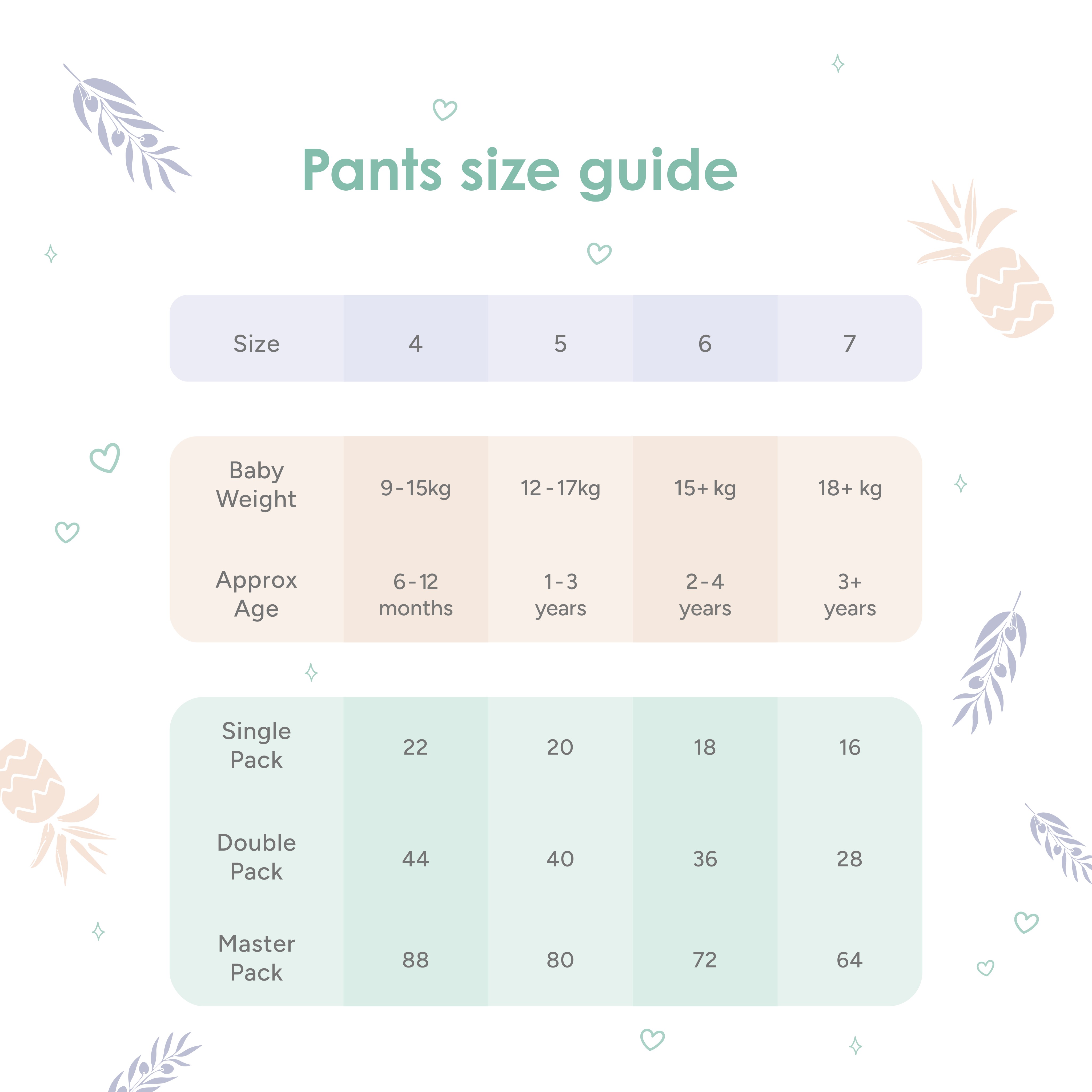
حفاضات من الخيزران العضوي
توفر حفاضات الخيزران العضوية خيارًا لطيفًا وصديقًا للبيئة للآباء الذين يتطلعون إلى حماية بشرة أطفالهم الحساسة. هذه الحفاضات، المصنوعة من الخيزران العضوي المعتمد بنسبة 100%، لا تسبب الحساسية وتم اختبارها من قبل أطباء الجلد، مما يقلل من خطر تهيج الجلد. ويضمن تصميمها فائق الامتصاص ما يصل إلى 12 ساعة من الجفاف، مما يسمح بالاستخدام المريح ليلاً ونهارًا.
عرض المنتج